Launchpad: Crafting a Startup Budget for Success
Okay, friend, let's talk turkey. You've got this amazing startup idea, right? The kind that keeps you up at night, buzzing with possibilities. But before you start picturing yourself sipping mojitos on a yacht (goals!), there's one crucial step: the budget.
Trust me, skipping the budget is like trying to bake a cake without a recipe. You *might* end up with something edible, but chances are, it'll be a total fail. And in the startup world, a failed budget can mean a failed dream. It's that serious. We don't want that, do we?
So, why is budgeting so darn important? Think of it as your startup's financial GPS. It shows you where you're going, how much it's gonna cost, and whether you're actually making progress. It's your safety net, your reality check, and your key to attracting investors (because, let's be real, they wanna see that you've got your act together).
But, hey, budgeting doesn't have to be a soul-crushing experience. Let's break it down into bite-sized pieces. We're gonna make this *easy peasy lemon squeezy*.
The Startup Budget Survival Guide: No More Freaking Out!
Ready to dive in? Here's your roadmap to startup budgeting bliss:
1. Know Your Numbers: The "Reality Check" Phase
First things first, you gotta face the music. Get crystal clear on your startup's financials. This isn't about guessing; it's about hardcore research and realistic estimations. Let's break down how to get these numbers:
- Revenue Projections: How much moolah are you expecting to bring in? Be honest! Look at similar businesses, market research, and your sales pipeline. Don't just pull a number out of thin air! Think about:
- Pricing Strategy: How much will you charge for your product or service?
- Sales Volume: How many units or services do you expect to sell each month?
- Seasonality: Will your sales fluctuate throughout the year?
Example: Let's say you're starting a coffee shop. Research the average price of coffee in your area and the average daily customer count for similar shops. Then, factor in your own unique selling points (e.g., organic beans, a cozy atmosphere) to adjust your projections accordingly.
- Startup Costs: These are the one-time expenses you'll incur before you even launch. Think of it as the *entry fee* to the startup game. This includes:
- Legal Fees: Setting up your business structure (LLC, S-Corp, etc.). Get quotes from a few lawyers!
- Permits and Licenses: Gotta stay legal, friend.
- Equipment: Computers, furniture, machinery, etc. Can you buy used?
- Initial Inventory: The stuff you need to sell.
- Marketing Materials: Website, logo design, business cards.
Example: If you're launching an online clothing store, your startup costs might include website design, inventory, and initial marketing campaigns.
- Operating Expenses: These are your recurring costs – the bills you gotta pay to keep the lights on. Include:
- Rent: Office space, retail location, etc.
- Salaries: For yourself and your employees. Be realistic about your own needs!
- Marketing and Advertising: Ongoing efforts to attract customers.
- Utilities: Electricity, water, internet.
- Software Subscriptions: CRM, project management tools, etc.
Example: If you're running a SaaS company, your operating expenses will include server costs, customer support, and ongoing software development.
2. Spreadsheet Magic: Your Budgeting BFF
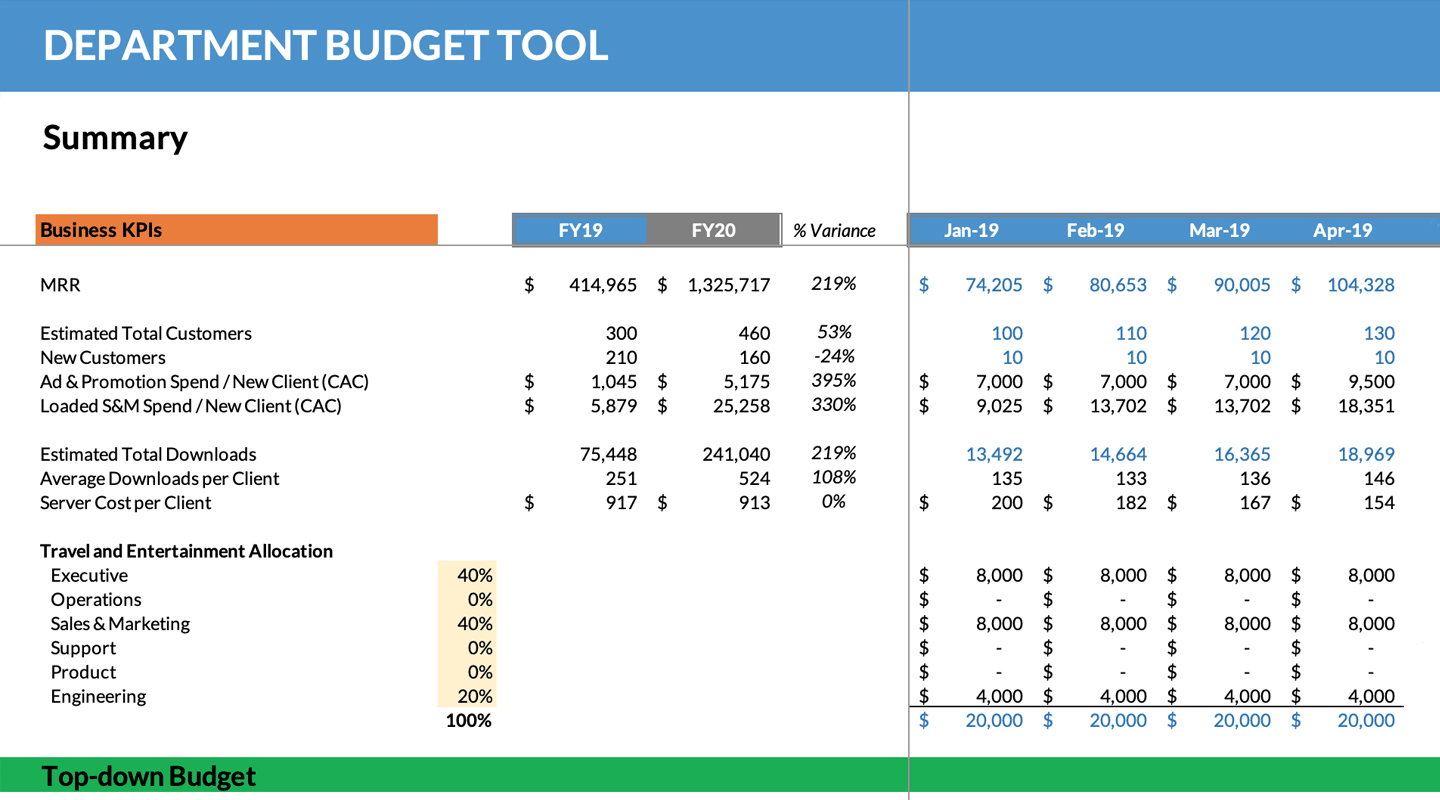
Okay, you've got your numbers. Now, let's get organized. Spreadsheets are your best friend here. Google Sheets or Excel – take your pick. Create a simple spreadsheet with columns for:
- Category: (e.g., Marketing, Rent, Salaries)
- Estimated Cost: (Your projected expenses)
- Actual Cost: (What you *actually* spent)
- Variance: (The difference between estimated and actual)
Pro Tip: Break down your budget by month. This will give you a clearer picture of your cash flow and help you identify potential problems early on.
Example: In the marketing category, you might estimate spending $500 on Facebook ads in January. If you actually spend $700, your variance is $200 (over budget!). Knowing this allows you to make adjustments in future months.
3. Cash Flow is King (or Queen!): Manage Your Money Like a Boss
Cash flow is the lifeblood of your startup. It's the money coming in (revenue) minus the money going out (expenses). You need to make sure you have enough cash to cover your bills and keep the business running smoothly.
- Track Your Cash Flow: Monitor your income and expenses religiously. Use accounting software (like QuickBooks or Xero) to automate this process.
- Identify Potential Shortfalls: Look ahead and anticipate when you might run low on cash. This will give you time to take action.
- Explore Funding Options: If you anticipate a cash crunch, consider options like:
- Loans: From banks or online lenders.
- Grants: Free money! (But often competitive).
- Investors: Venture capitalists, angel investors.
- Bootstrapping: Using your own savings or revenue.
Example: You project a large invoice payment coming in 60 days. You also know you have payroll due in 30 days. This means you need to find a way to cover payroll before the invoice is paid. You might consider a short-term loan or delaying some other expenses.
4. Cut the Fat: Be a Lean, Mean Startup Machine
Let's be real, startups are rarely flush with cash in the beginning. You need to be scrappy and resourceful. Look for ways to cut costs without sacrificing quality. Think *ballin' on a budget*.
- Negotiate with Vendors: Don't be afraid to haggle! Ask for discounts or payment terms.
- Work Remotely: Avoid expensive office space.
- Embrace Free Tools: There are tons of free or low-cost tools available for startups (e.g., Google Workspace, Canva).
- DIY: Do as much as you can yourself (e.g., social media marketing, website updates).
Example: Instead of hiring a fancy marketing agency, learn the basics of social media marketing yourself and run your own campaigns. You might be surprised at what you can achieve!
5. Review, Revise, Repeat: Your Budget is a Living Document
Your budget isn't set in stone. It's a living document that needs to be reviewed and revised regularly. At least once a month, compare your actual spending to your estimated spending and make adjustments as needed. The world of startups move fast, and so should your budget!
- Track Your Progress: Are you meeting your revenue goals? Are your expenses in line with your projections?
- Identify Trends: Are you consistently overspending in certain areas? Are there opportunities to cut costs further?
- Adjust Your Strategy: Based on your findings, adjust your budget and your business strategy accordingly.
Example: You notice that your Facebook ads aren't generating as many leads as you expected. You might need to adjust your targeting, your ad copy, or your budget allocation.
Level Up Your Budgeting Game: Some Extra Tips for the Ambitious
- Invest in Accounting Software Early: Save yourself the headache of manual tracking.
- Create Contingency Funds: Shit happens. Have money set aside for unexpected expenses.
- Seek Expert Advice: Don't be afraid to ask for help from accountants or financial advisors.
- Separate Business and Personal Finances: It's cleaner, simpler, and will avoid tons of accounting headaches down the line.
The Takeaway: Budgeting = Empowerment
So there you have it! Crafting a startup budget might seem daunting, but it's totally doable. And honestly, it's empowering. By understanding your numbers and managing your cash flow, you're taking control of your startup's destiny. Now go out there and make that dream a reality! You got this, friend! Let's get this bread! (Responsibly, of course.)
From Spreadsheet Stares to Startup Success: Your Journey Begins Now
Alright, friend, we've covered a lot of ground. You've journeyed from the initial terror of a blank spreadsheet to understanding the power of a well-crafted startup budget. Remember, this isn't about stifling your entrepreneurial spirit; it's about fueling it with a solid financial foundation. Think of it as the difference between hoping for a windfall and strategically building an empire. One relies on luck, the other on smarts and planning. And we're betting on you to choose the latter.
We've drilled down on the core principles: knowing your numbers inside and out, from those optimistic revenue projections to the nitty-gritty of operating expenses. We've emphasized the crucial role of cash flow management, turning you into a savvy financial navigator, able to anticipate turbulence and steer your ship clear of potential icebergs. We've even encouraged you to embrace your inner frugality, becoming a lean, mean startup machine, cutting costs without compromising the core value of your business. And, most importantly, we've instilled the understanding that your budget isn't a static document; it's a living, breathing guide that evolves with your business.
But knowledge without action is just…well, knowledge. It's like having a map to a treasure island but never setting sail. So, now it's time to translate all this wisdom into tangible steps. It's time to stop dreaming and start doing. The startup world rewards the bold, the proactive, and the relentlessly resourceful. Are you ready to answer the call?
Your Call to Action: Level Up Your Startup Today!
Here's your mission, should you choose to accept it (and we strongly suggest you do!):
- Download Our Free Startup Budget Template: We've created a user-friendly, customizable spreadsheet template to get you started. No more staring at a blank screen! Find the download link right here. This template is your budgeting bestie, designed to simplify the process and keep you organized.
- Schedule a "Budgeting Brainstorm" Session: Dedicate a specific block of time (at least a few hours) to focus solely on your budget. Turn off distractions, grab your favorite beverage, and dive deep into your numbers. Treat it like a crucial meeting – because it is!
- Identify Three Areas to Reduce Expenses: Challenge yourself to find at least three areas where you can cut costs without sacrificing quality or long-term growth. Get creative! Think outside the box! Could you negotiate better rates with vendors? Can you leverage free marketing tools?
- Share Your Budgeting Wins (and Challenges) in the Comments: We're a community, friend! Let's learn from each other. Share your biggest budgeting wins, your toughest challenges, and any tips you've discovered along the way. Your insights could help someone else on their journey.
- Commit to Reviewing Your Budget Weekly for the Next Month: Consistency is key! Set a reminder in your calendar to review your budget every week for the next month. This will help you stay on track, identify potential problems early on, and make adjustments as needed. Think of it as a weekly check-up for your startup's financial health.
- If You're Feeling Stuck, Book a Free Consultation: We get it, sometimes you need a little extra guidance. We're offering a limited number of free 15-minute consultations with our financial experts. Click here to schedule yours.
These aren't just suggestions; they're actionable steps that can transform your startup's financial trajectory. The sooner you implement these strategies, the sooner you'll gain the clarity, confidence, and control you need to succeed. Stop procrastinating, stop overthinking, and start taking action. Your future self will thank you (big time!).
The Hustle is Real: Stay Inspired, Stay Focused, Stay Broke-Free!
The startup journey is a rollercoaster – filled with exhilarating highs and terrifying lows. There will be moments of doubt, moments of frustration, and moments when you question everything. But remember why you started. Remember your vision, your passion, your unwavering belief in your idea. Let that fuel you through the tough times. Let that be your North Star, guiding you through the financial wilderness.
And don't forget to celebrate your wins, no matter how small. Every milestone, every achievement, every step forward deserves recognition. Acknowledge your progress, pat yourself on the back (literally!), and use that momentum to propel you even further. Building a successful startup is a marathon, not a sprint. Pace yourself, stay persistent, and never lose sight of your goals.
So, friend, go forth and conquer the startup world! Armed with the knowledge and tools you've gained from this article, you're now better equipped than ever to navigate the financial challenges that lie ahead. Embrace the uncertainty, embrace the challenges, and embrace the journey. Because the rewards of building something truly great are well worth the effort.
Remember, you're not alone in this. We're here to support you, to cheer you on, and to provide you with the resources you need to succeed. So, stay connected, stay engaged, and stay focused on your dreams.
Now, tell us, what's the one thing you're going to implement from this article *right now* to improve your startup's budget? Hit us up in the comments! And remember…keep hustling, stay savage, and make that moolah, baby!


