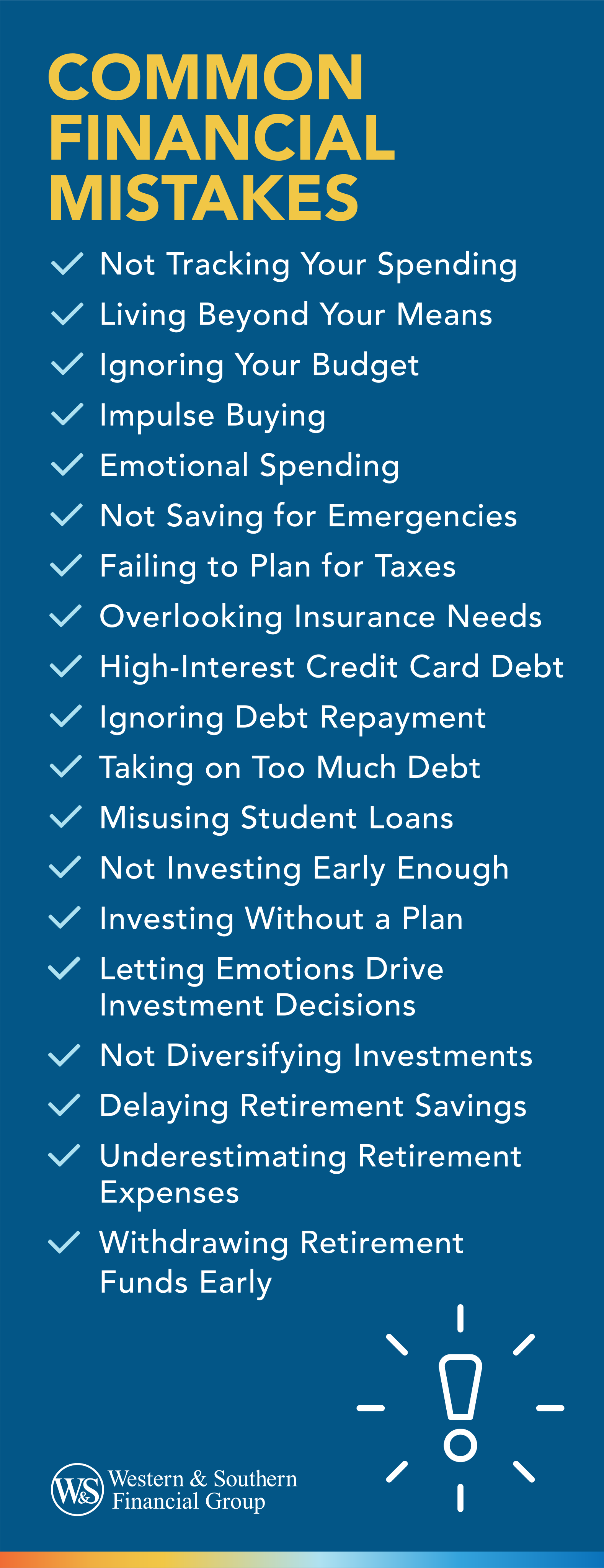
Common Financial Pitfalls: Steer Clear of These Money Mistakes
Hey there, friend! Ever feel like your money's playing hide-and-seek? One minute it's there, the next...poof! Gone! We've all been there. Managing your finances can feel like navigating a minefield. But don't sweat it! This article is your cheat sheet to dodging those money bombs and building a financial fortress. Let's dive in and uncover those sneaky financial pitfalls we need to avoid like the plague.
The Big Problem: Why Are We Making These Mistakes Anyway?
Okay, so why are we tripping over these financial hurdles? The truth is, a lot of it comes down to a lack of awareness, bad habits, and sometimes, just plain old impulsive decisions. We're bombarded with ads telling us to buy this, upgrade that, and live the "luxe" life. Plus, financial literacy isn't exactly a mandatory subject in school, right? So, we're often left to figure things out on our own, which can lead to some pretty epic money blunders.
Think of it like this: you wouldn't try to bake a cake without a recipe, would you? Same goes for your finances. You need a plan, some knowledge, and a healthy dose of self-control. Let's break down some of the most common mistakes and, more importantly, how to avoid them.
Pitfall #1: Living Large (When You're Not) - Lifestyle Inflation
The Problem: Ah, lifestyle inflation, the silent killer of savings accounts! This happens when your income increases, and your spending increases right along with it. New job? Bigger paycheck? Suddenly you "need" that fancy car, designer clothes, and those weekly avocado toast brunches. Before you know it, you're spending just as much (or more!) than you were before, leaving you no closer to your financial goals.
The Solution:
- Track Your Spending, No Cap: Seriously, download a budgeting app or use a spreadsheet. Know where your money is going every month. You might be surprised!
- The 50/30/20 Rule is Your BFF: Allocate 50% of your income to needs, 30% to wants, and 20% to savings and debt repayment. Stick to it!
- Delay the Upgrade: Resist the urge to immediately upgrade your lifestyle. Instead, put that extra cash towards your financial goals first. That dream vacation will be way more satisfying knowing you're financially secure.
Example: You get a $10,000 raise. Instead of buying a new TV and joining a fancy gym, put half of it towards your debt or investments. The other half? Treat yourself a little, but keep it reasonable.
Pitfall #2: Debt Mountain Climbing Without Gear
The Problem: Debt can feel like climbing a mountain with no ropes. Credit card debt, student loans, car loans – it can all pile up and suffocate your financial freedom. Paying just the minimums? That's like trying to bail out a sinking ship with a teaspoon. You're just prolonging the agony and racking up insane amounts of interest.
The Solution:
- Attack the Debt, Viciously: Consider the debt snowball (smallest to largest) or the debt avalanche (highest interest rate to lowest) method. Choose whichever motivates you the most!
- Budget Like Your Life Depends On It: Cut unnecessary expenses and put that extra cash towards debt repayment. Say goodbye to those daily lattes and hello to financial freedom!
- Negotiate with Creditors: Don't be afraid to call your credit card companies or loan providers and ask for a lower interest rate or a payment plan. You might be surprised at what they're willing to offer.
Example: You have $5,000 in credit card debt at 18% interest. Instead of paying the minimum, put an extra $100 or $200 towards it each month. You'll save a ton of money on interest and pay it off much faster!
Pitfall #3: Investing? Nah, Too Hard! (Ignoring Investments)
The Problem: Thinking investing is only for Wall Street types? Think again! Letting your money sit in a savings account earning next to nothing is a huge mistake. Inflation is a real thing, and it's constantly eroding the value of your money. You need to make your money work for you!
The Solution:
- Start Small, Think Big: You don't need a fortune to start investing. Even small amounts can add up over time thanks to the magic of compounding.
- Index Funds and ETFs are Your Friends: These are low-cost, diversified investment options that track the performance of a market index. Perfect for beginners!
- Automate Your Investments: Set up automatic transfers from your bank account to your investment account each month. It's like paying yourself first!
Example: Invest $100 a month in a low-cost index fund that earns an average of 7% per year. Over 30 years, that could grow to over $100,000! Mind. Blown.
Pitfall #4: Emergency Fund? What's That? (Lack of Emergency Savings)
The Problem: Life happens. Cars break down, medical bills pop up, and unexpected job losses can occur. Without an emergency fund, you'll be forced to rely on credit cards or loans, digging yourself deeper into debt. This is a total "yikes" situation.
The Solution:
- Aim for 3-6 Months of Living Expenses: This might seem daunting, but start small. Even $1,000 is better than nothing.
- Treat it Like a Sacred Fund: This money is ONLY for emergencies. No vacations, no impulse buys, no excuses!
- High-Yield Savings Account is Your Safe Haven: Keep your emergency fund in a high-yield savings account where it will earn a little bit of interest while remaining easily accessible.
Example: Your car needs a $500 repair. If you have an emergency fund, you can cover it without stress. If you don't, you're stuck putting it on a credit card and paying interest.
Pitfall #5: Insurance? Snooze... (Ignoring Insurance)
The Problem: Skipping out on insurance to save a few bucks? Big mistake. Insurance is your safety net in case of unexpected events. Think health insurance, car insurance, homeowners/renters insurance, and even life insurance if you have dependents. Skimping on insurance is like playing Russian roulette with your finances.
The Solution:
- Shop Around for the Best Rates: Don't just stick with the first insurance company you find. Compare quotes from multiple providers.
- Understand Your Coverage: Make sure you understand what your insurance policies cover and what they don't.
- Don't Be Afraid to Adjust Your Coverage: As your life changes, your insurance needs may change as well. Review your policies regularly.
Example: A friend didn't have health insurance and ended up with a $20,000 hospital bill. Ouch! Insurance could have saved them a fortune.
Pitfall #6: The "Keeping Up with the Joneses" Trap
The Problem: Constantly comparing yourself to others and trying to keep up with their lifestyles is a recipe for financial disaster. Social media only shows the highlight reel, not the struggles behind the scenes. Don't let other people's perceived success pressure you into overspending.
The Solution:
- Focus on Your Own Goals: What are your financial priorities? What truly makes you happy? Focus on those things and ignore the noise.
- Practice Gratitude: Appreciate what you already have. This can help you resist the urge to constantly want more.
- Unfollow the Envy-Inducers: If certain social media accounts make you feel insecure about your finances, unfollow them. Protect your mental health!
Example: Your neighbor buys a fancy new car. Instead of feeling jealous, focus on your own goals, like paying off debt or saving for a down payment on a house.
Pitfall #7: Tax Time? Time to Panic! (Ignoring Taxes)
The Problem: Taxes can be confusing and overwhelming, but ignoring them is not an option. Failing to file your taxes on time or underpaying your taxes can result in penalties and interest charges. Nobody wants that!
The Solution:
- File on Time, Every Time: Set a reminder and get your taxes done before the deadline.
- Take Advantage of Deductions and Credits: Research what deductions and credits you're eligible for to reduce your tax liability.
- Consider Consulting a Tax Professional: If your tax situation is complicated, consider hiring a tax professional to help you navigate the process.
Example: You forget to file your taxes on time and end up owing the IRS penalties and interest. Not fun! Plan ahead and avoid the stress.
Pitfall #8: The "I'll Worry About It Later" Retirement Plan
The Problem: Retirement may seem like a long way off, but the sooner you start saving, the better. Delaying retirement savings can force you to work longer and enjoy less time doing the things you love. Plus, compound interest is your best friend when it comes to retirement savings, and the earlier you start, the more it works in your favor.
The Solution:
- Start Saving Now, No Excuses: Even small contributions can make a big difference over time.
- Take Advantage of Employer Matching: If your employer offers a 401(k) match, take full advantage of it. It's free money!
- Consider a Roth IRA: This allows your investments to grow tax-free, which can save you a ton of money in retirement.
Example: You start saving $100 a month for retirement at age 25. By age 65, you could have over $300,000, assuming an average annual return of 7%. Boom!
Pitfall #9: "Get Rich Quick" Schemes (Falling for Scams)
The Problem: If it sounds too good to be true, it probably is. "Get rich quick" schemes often promise unrealistic returns and prey on people's desire for financial freedom. These scams can leave you broke and heartbroken.
The Solution:
- Do Your Research: Before investing in anything, research the company and the investment thoroughly.
- Be Skeptical of High-Pressure Sales Tactics: Scammers often use high-pressure tactics to pressure you into investing quickly.
- Trust Your Gut: If something doesn't feel right, don't invest. It's better to be safe than sorry.
Example: A "friend" tells you about a guaranteed investment that will double your money in a month. Sounds fishy? It probably is. Steer clear!
Pitfall #10: Not Asking for Help When You Need It
The Problem: Sometimes, we all need a little help. Being too proud or embarrassed to ask for financial advice can lead to costly mistakes. There are plenty of resources available to help you improve your financial situation, so don't be afraid to reach out.
The Solution:
- Talk to a Financial Advisor: A financial advisor can help you create a personalized financial plan and guide you towards your goals.
- Read Books and Articles: There's a wealth of information available online and in libraries. Educate yourself about personal finance.
- Join a Financial Community: Connect with other people who are interested in improving their finances. You can learn from each other and support each other along the way.
Example: You're struggling to create a budget. Instead of giving up, reach out to a financial advisor or find a budgeting workshop in your area.
The Takeaway: You Got This!
Avoiding these common financial pitfalls isn't rocket science. It's about being aware, making smart choices, and developing good financial habits. You've got the tools, you've got the knowledge, now go out there and build your financial empire! Remember, financial freedom is within reach. Keep learning, keep saving, and keep crushing those goals!
Wrapping It Up: Your Financial Journey Starts Now!
Alright, friend, we've reached the end of our deep dive into the financial minefield. Take a deep breath! We've covered a lot, from the sneaky allure of lifestyle inflation to the absolute necessity of having an emergency fund. Remember those pitfalls we uncovered? Living large before you *are* large, drowning in debt, ignoring the power of investing, skimping on insurance, falling for the "Joneses" trap, dodging taxes, postponing retirement planning, falling for "get rich quick" schemes, and being too shy to ask for help. These are the financial boogeymen we're now equipped to defeat!
The core takeaway? Financial success isn't about luck; it's about awareness, smart choices, and consistent action. It's about building good habits that become second nature. It's about understanding that every financial decision you make, no matter how small, has a ripple effect on your future.
But reading about it is only half the battle. Now, it's time to put those insights into practice. Think of this article as your financial launchpad. You've got the knowledge; now, it's time to take flight!
Your Mission: Implement, Track, Adjust, Thrive!
So, what's next? Here's your actionable checklist for taking control of your financial destiny:
- Track Your Spending Like a Hawk: Seriously, download that budgeting app, create that spreadsheet, or dust off that notebook. Know exactly where your money is going, down to the last penny. You'll be amazed at what you discover! Don't just track for a week; commit to tracking for at least a month. You might even uncover some recurring subscriptions you completely forgot about – free money!
- Create a Budget That Works for *You*: Forget restrictive diets; think of budgeting as creating a personalized financial menu. The 50/30/20 rule is a solid starting point, but tweak it to fit your lifestyle and goals. Maybe you need to allocate more to debt repayment or saving for a down payment. The key is to find a balance that's sustainable and motivating. Remember, a budget isn't about deprivation; it's about prioritization.
- Tackle Debt Head-On: Choose your debt-slaying weapon of choice: the snowball or the avalanche method. Whichever you choose, commit to making extra payments. Even an extra $50 or $100 a month can make a huge difference in the long run. And don't be afraid to negotiate with your creditors. A simple phone call could save you hundreds of dollars in interest. Bonus points: consider balance transfers to lower interest credit cards!
- Start Investing, Even if It's Just a Little: Investing doesn't have to be intimidating. Start with low-cost index funds or ETFs. Automate your contributions so you don't even have to think about it. Even $25 or $50 a month can add up over time thanks to the power of compounding. Think of it as planting a money tree that will grow and blossom over the years. Check out robo-advisors for a super easy, hands-off investing experience.
- Build That Emergency Fund: Aim for 3-6 months of living expenses in a high-yield savings account. This is your financial safety net, your "get out of jail free" card for unexpected expenses. Think of it as your personal financial insurance policy. Having an emergency fund will not only protect you from debt but also give you peace of mind. It's seriously life-changing!
- Review Your Insurance Coverage: Make sure you have adequate health, car, homeowners/renters, and life insurance. Shop around for the best rates and understand what your policies cover. Don't be afraid to increase your deductibles to lower your premiums, but make sure you can comfortably afford the deductible in case of an emergency. Think of insurance as a necessary evil. You hope you never need it, but you'll be grateful you have it if disaster strikes.
- Ditch the "Keeping Up with the Joneses" Mentality: Focus on your own financial goals and values. Stop comparing yourself to others on social media. Remember, most people only show the highlight reel of their lives, not the struggles behind the scenes. Practice gratitude for what you already have. Focus on building a life that's authentic to you, not one that's dictated by societal pressures. Block or mute accounts that trigger feelings of envy or inadequacy. Your mental health is priceless.
- Plan for Retirement, No Matter Your Age: Start saving for retirement as early as possible, even if it seems like a long way off. Take advantage of employer matching contributions in your 401(k). Consider opening a Roth IRA. The sooner you start, the more time your money has to grow. Think of retirement savings as planting an oak tree. It takes time to grow, but it will provide shade and security for decades to come.
- Stay Vigilant Against Scams: Be wary of "get rich quick" schemes and anything that sounds too good to be true. Do your research before investing in anything. If you're feeling pressured to invest quickly, walk away. Trust your gut. If something feels off, it probably is. There are no shortcuts to financial success. It takes hard work, discipline, and a healthy dose of skepticism.
- Don't Be Afraid to Ask for Help: If you're feeling overwhelmed or lost, don't be afraid to seek professional help from a financial advisor. They can provide personalized guidance and support to help you achieve your financial goals. There are also tons of free resources available online and in libraries. Educate yourself, join financial communities, and connect with others who are on the same journey. You're not alone!
Call to Action: Take the 30-Day Financial Challenge!
Ready to really supercharge your financial life? I challenge you, friend, to take the 30-Day Financial Challenge! Choose just one or two of the action steps above and commit to doing them consistently for 30 days. Track your progress, celebrate your wins, and learn from your setbacks. At the end of the 30 days, you'll be amazed at how much progress you've made. You'll have created new habits, developed new skills, and gained a newfound sense of confidence in your ability to manage your money. Share your progress in the comments below! We're all in this together, and your story could inspire someone else to take control of their finances.
Final Thoughts: Your Financial Future is in Your Hands!
We've covered a lot of ground, and I hope you feel empowered to take control of your financial future. Remember, financial freedom isn't a destination; it's a journey. There will be ups and downs, successes and setbacks. But the key is to stay committed, stay informed, and stay positive. You've got this! The knowledge you've gained is a powerful weapon. Use it wisely, and you'll be well on your way to building a life that's not only financially secure but also filled with purpose and meaning.
Now, tell me, what's the *one* thing you're going to implement from this article *today* to improve your financial situation? Share your answer below – let's get the ball rolling!
You are capable, you are resilient, and you are worthy of financial success. Go out there and crush it, friend!


