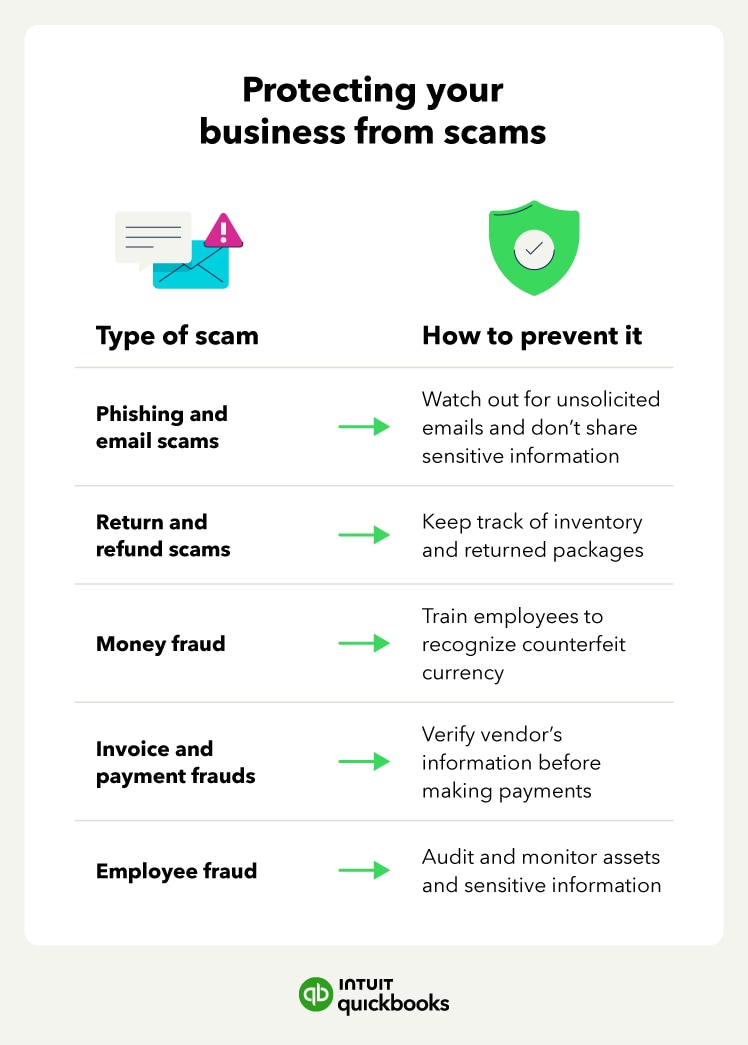
Shielding Your Success: A Comprehensive Guide to Avoiding Common Business Scams
Hey friend! Running a business is like navigating a jungle. You're trying to grow, make some serious coin, and build something awesome. But lurking in the shadows are… SCAMS! Yeah, those sneaky little snakes trying to bite a chunk out of your hard-earned cash. It's a jungle out there, and we're here to give you the machete to hack through the BS.
Think about it: You're hustling, juggling a million things, and suddenly BAM! An offer that seems too good to be true lands in your inbox. Or maybe a "client" with a sob story and a huge check that needs cashing. Sounds familiar? Then buckle up, because we're about to dive deep into the murky world of business scams and show you how to keep your wallet safe.
The Harsh Reality: Why Scams Are a HUGE Problem (And Why YOU Are a Target)
Let's be real, no one *wants* to think they're gullible. But scammers are smooth operators. They prey on our desire to grow, to help, and sometimes, let's admit it, on our greed. They know we're busy, that we're often working late and might not have time to double-check everything. That's their opening, and they're ready to pounce.
And the worst part? These scams are evolving faster than TikTok trends. What worked last year might not even register on your radar now. So, staying informed is crucial. This isn't about being paranoid, it's about being prepared. Let's get you prepped!
Shield Up! Key Strategies to Dodge Dodgy Deals
Alright, enough doom and gloom. Let's get practical. Here's your survival guide to navigating the scam-infested waters of the business world. Think of these as your personal power-ups!
1. Trust Your Gut (Seriously!)
Okay, this might sound a little "woo-woo," but hear us out. Your intuition is a powerful tool. If something feels off, if a deal seems too good to be true, or if someone is rushing you, listen to that feeling!. Don't ignore that nagging voice in the back of your head. It's probably trying to save you from a major headache (and a drained bank account).
Real-Life Example: Imagine you get an email offering super-low rates on office supplies. Sounds great, right? But something about the email address looks fishy, and the website they link to is… well, kinda janky. Trust your gut! Do some digging before you click that "Buy Now" button.
2. The "Too Good To Be True" Test: Your New Best Friend
This is a classic for a reason. If an offer sounds unbelievably amazing, it probably is. Scammers love to dangle shiny objects in front of you, hoping you'll bite without thinking. Question everything! Ask yourself: Is this realistic? Does it make sense for someone to offer this? If the answer is "probably not," then proceed with extreme caution (or just walk away).
Actionable Tip: Whenever you get a suspiciously good offer, take a step back. Sleep on it. Talk to a trusted friend or mentor. A fresh perspective can often reveal red flags you might have missed.
3. Verify, Verify, VERIFY! (Like You're a Detective)
This is where your inner Sherlock Holmes comes out. Don't take anything at face value. If someone claims to be from a certain company, call the company directly to verify. Check their website, their social media presence, and their online reviews. A little bit of research can save you a lot of heartache.
Tech Tip: Use tools like Google Reverse Image Search to check if that profile picture is real. And websites like WHOIS to check the registration details of a website that seems suss.
4. The Art of the Slow No: Saying "Nah, I'm Good" Like a Pro
Scammers often pressure you to make quick decisions. They create a sense of urgency, hoping you won't have time to think clearly. Don't fall for it! A legit business deal can wait. Learn to politely decline offers that make you uncomfortable. A simple "Thanks, but I'm not interested right now" can be incredibly powerful.
Pro Tip: Have a go-to phrase ready. Something like, "I need to run this by my team/advisor before making a decision." This buys you time and lets the scammer know you're not an easy target.
5. Watch Out for the "Advance-Fee" Shenanigans (Big Red Flag!)
This is a scam as old as time, but it's still surprisingly effective. Someone promises you a huge reward, a loan, or a contract, but first, you need to pay a "small fee" to cover expenses. This fee can be for anything: processing, legal paperwork, taxes, you name it. Once you pay, they disappear with your money.
Rule of Thumb: Never pay money to receive money. If someone is asking you for an upfront fee, run like the wind!
6. Keep Your Data Locked Down (Fort Knox Style!)
In the digital age, your data is your treasure. Protect it like a dragon protects its hoard. Use strong passwords, enable two-factor authentication wherever possible, and be careful about what information you share online. Scammers can use even small pieces of information to build a convincing scam.
Cybersecurity Must-Haves:
- Password Manager: Use a tool like LastPass or 1Password to generate and store strong, unique passwords.
- Antivirus Software: Keep your devices protected with up-to-date antivirus software.
- VPN: Use a Virtual Private Network (VPN) when using public Wi-Fi to encrypt your data.
7. Educate Your Team (Spread the Knowledge, Not the Scams!)
You're only as strong as your weakest link. Make sure your employees are aware of common business scams and know how to spot them. Conduct regular training sessions, share articles like this one (hint, hint!), and encourage open communication about suspicious activity.
Team Talk: Create a safe space for your team to report potential scams without fear of judgment. Emphasize that it's better to be safe than sorry.
8. Know When to Call in the Pros (Don't Be a Lone Wolf)
If you suspect you've been scammed, or if you're unsure about a situation, don't hesitate to seek help. Contact a lawyer, a financial advisor, or your local law enforcement agency. They can provide guidance and help you navigate the situation.
Resource Roundup:
- The Federal Trade Commission (FTC): For reporting scams and learning about consumer protection.
- The Better Business Bureau (BBB): For checking the reputation of businesses and filing complaints.
- Your Local Chamber of Commerce: For networking and getting advice from other business owners.
9. Stay Updated (Knowledge is Power, Period!)
The scam landscape is constantly changing, so staying informed is crucial. Follow reputable news sources, subscribe to cybersecurity blogs, and attend industry events to learn about the latest threats. Knowledge is your best defense.
News Flash: Set up Google Alerts for keywords like "business scams," "phishing," and "fraud" to stay on top of emerging threats.
10. Document Everything (Leave a Paper Trail, Even if It's Digital!)
Keep detailed records of all your business transactions, communications, and agreements. This will be invaluable if you ever need to file a police report or pursue legal action.
Documentation Done Right:
- Save all emails and chat logs.
- Keep copies of contracts and invoices.
- Record dates and times of phone calls and meetings.
The Bottom Line: Stay Vigilant, Stay Safe, Stay Successful
Friend, protecting your business from scams is an ongoing process, not a one-time fix. By staying vigilant, educating yourself and your team, and trusting your instincts, you can create a culture of security and safeguard your hard-earned success. Remember, we're all in this together! Stay safe out there, and keep hustling!
Wrapping It Up: Your Anti-Scam Superhero Origin Story
Alright, friend, we've journeyed through the treacherous terrain of business scams, armed with knowledge and a healthy dose of skepticism. Let's recap the essentials, because knowledge without action is like having a lightsaber with no battery – totally useless! Remember, the key takeaways are:
- Trust Your Gut: That feeling of unease? It's your brain trying to tell you something. Listen up!
- "Too Good To Be True" Test: If it sounds like a unicorn offering you free gold, it probably is. Question everything!
- Verify, Verify, VERIFY!: Be a digital detective! Cross-reference, fact-check, and don't take anything at face value.
- The Slow No: Don't be pressured into quick decisions. A legit deal can wait.
- Advance-Fee Alert: Never pay to receive. Period.
- Data Lockdown: Treat your data like Fort Knox. Strong passwords, two-factor authentication, and VPNs are your allies.
- Educate Your Team: Spread the anti-scam gospel!
- Call in the Pros: Don't be afraid to seek expert help.
- Stay Updated: Knowledge is power. Keep learning about the latest threats.
- Document Everything: Leave a paper trail. It's your shield in case things go south.
These aren't just bullet points, they're your superpowers against the dark arts of business scams. Implement them, live them, and breathe them. Become the anti-scam superhero your business deserves!
Your Mission, Should You Choose to Accept It: Taking Action NOW
Reading this article is the first step, but it's not the finish line. Now it's time to roll up your sleeves and get to work. Here's your actionable call-to-action plan, broken down into bite-sized steps:
- Password Audit: Right now, go through your most important accounts (email, banking, social media) and update your passwords to something strong and unique. Bonus points for using a password manager!
- Two-Factor Authentication Activation: Turn on two-factor authentication for every account that offers it. This is like adding an extra layer of security to your digital fortress.
- Team Huddle: Schedule a meeting with your team to discuss common business scams and how to spot them. Make it interactive and engaging! Share real-life examples and encourage open discussion.
- Cybersecurity Software Check: Make sure your antivirus software is up-to-date and running smoothly. Consider investing in a VPN for added security, especially when using public Wi-Fi.
- Website Security Scan: If you have a website, run a security scan to identify any vulnerabilities. There are plenty of free and paid tools available online.
- Document Review: Take some time to review your business processes and identify any areas where you might be vulnerable to scams. Create checklists and protocols to minimize risk.
- Subscription Purge: Unsubscribe from any email lists you don't recognize or find valuable. This will help reduce the amount of spam you receive and lower your chances of falling for a phishing scam.
- Resource Bookmark: Bookmark the websites of the FTC, BBB, and your local law enforcement agency. These resources will be invaluable if you ever need to report a scam or seek help.
- Google Alert Setup: Set up Google Alerts for keywords like "business scams," "phishing," and "fraud" to stay informed about the latest threats.
- Share the Knowledge: Share this article with your fellow entrepreneurs and business owners. The more people who are aware of these scams, the safer we all are!
Don't just skim through these steps. Commit to completing them over the next week. Treat them like crucial tasks on your to-do list. Your business (and your bank account) will thank you for it!
Beyond the Checklist: Cultivating a Culture of Skepticism
While the checklist is a great starting point, true protection against scams goes beyond just ticking boxes. It requires cultivating a culture of skepticism within your business. This means encouraging your team to question everything, to challenge assumptions, and to speak up if they see something suspicious.
Think of skepticism as a muscle. The more you use it, the stronger it becomes. Don't be afraid to ask "dumb" questions or to challenge established processes. In fact, encourage it! A healthy dose of skepticism can prevent costly mistakes and protect your business from harm.
Remember, scammers are master manipulators. They know how to exploit our emotions, our desires, and our fears. By cultivating a culture of skepticism, you can create a buffer against their tactics and protect your business from their influence.
The Long Game: Staying Vigilant in a Changing Landscape
The world of business scams is constantly evolving. New threats emerge every day, and scammers are always finding new ways to exploit our vulnerabilities. That's why it's so important to stay vigilant and keep learning.
Don't rest on your laurels after completing the checklist. Make it a habit to regularly review your security protocols, to stay updated on the latest threats, and to educate your team about new scams. Treat cybersecurity as an ongoing process, not a one-time fix.
Think of it like this: your business is a ship sailing on a vast ocean. The ocean is full of dangers, including storms, pirates, and hidden reefs. To stay afloat, you need to constantly monitor the horizon, adjust your course as needed, and maintain your ship in top condition.
Your Success Story Starts Now: Embrace the Challenge
Friend, protecting your business from scams is a challenge, but it's a challenge worth embracing. By taking action, cultivating a culture of skepticism, and staying vigilant, you can create a secure and thriving business that is resistant to the wiles of scammers.
Don't let fear or complacency hold you back. Embrace the challenge, arm yourself with knowledge, and take control of your destiny. You have the power to protect your business and to build a brighter future for yourself, your team, and your community.
A Final Word of Encouragement: You Got This!
Building a business is a marathon, not a sprint. There will be challenges along the way, but you have the resilience, the determination, and the knowledge to overcome them. Remember why you started your business in the first place. Let that passion fuel your efforts and keep you moving forward, even when the going gets tough.
We believe in you. We believe in your ability to succeed. And we're here to support you every step of the way. So, go out there, build your dreams, and make a positive impact on the world. And remember, stay vigilant, stay safe, and stay awesome!
Now, for a bit of fun: What's the most outlandish scam offer you've ever received? Share your story in the comments below! Let's learn from each other's experiences and help each other stay one step ahead of the scammers.


