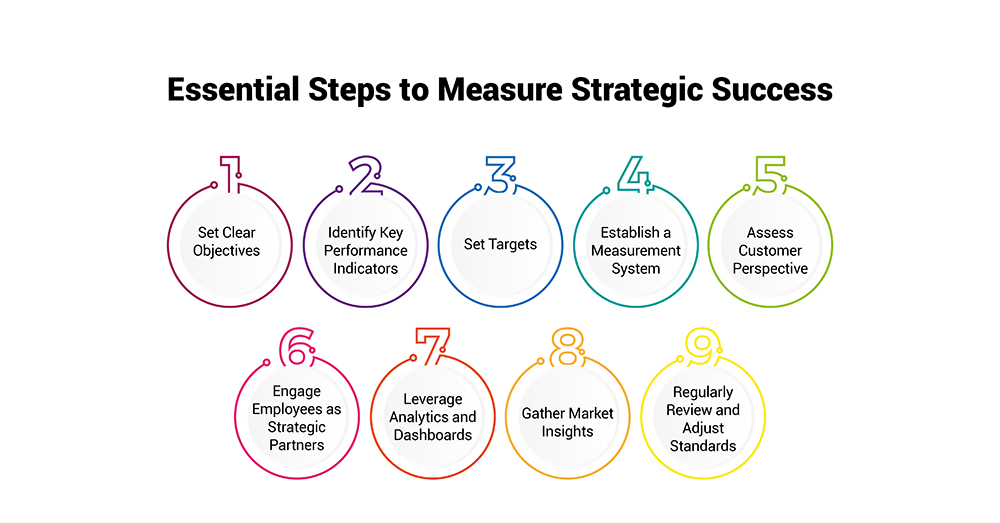
Measuring Success: A Guide to Evaluating Your Business Progress
Hey friend! Ever feel like you're running a business but have absolutely NO clue if you're actually, you know, winning? You're grinding, hustling, and probably living off instant noodles, but is it paying off? That, my friend, is the million-dollar question. It's easy to get caught up in the day-to-day craziness and lose sight of the bigger picture. That's why we need to talk about measuring success. Not the fluffy, motivational-poster type of success, but the real, tangible kind that lets you sleep at night (maybe not for a full 8 hours, let's be real, but close enough!).
The problem is, a lot of us just wing it. We think, "If I'm not totally broke, I must be doing okay!" But "okay" isn't going to cut it in the long run. We need a system, a way to track our progress, and a clear understanding of what success actually looks like for *our* business. Ready to ditch the guesswork and start measuring like a pro? Let's dive in!
1. Know Your Vibe: Defining Success (Your Way)
Okay, first things first. What does success even *mean* to you? Seriously, grab a notebook (or your phone, we're in the 21st century!) and jot down what success looks like. Is it making a crapload of money? Having a killer work-life balance? Making a positive impact on the world? Or maybe all three! There's no right or wrong answer, but you gotta figure out your own personal "vibe" before you can measure anything.
Why This Matters: If you don't know what you're aiming for, you'll end up wandering around aimlessly. Imagine trying to drive somewhere without a map! Defining your success is like setting your GPS – it gives you direction and helps you stay on track.
Actionable Step: Brainstorm your definition of success. Think beyond just revenue. Consider your personal goals, your values, and the impact you want to have. Write it down. Refer to it often.
2. Numbers Don't Lie (Usually): Key Performance Indicators (KPIs) Explained
Alright, now for the slightly less touchy-feely part: numbers! We need to talk about KPIs, or Key Performance Indicators. Don't let the fancy name intimidate you. KPIs are just the metrics that tell you how well you're doing in specific areas of your business.
Think of it like this: If you're trying to lose weight, you'd track things like your weight, body fat percentage, and how many calories you're consuming. KPIs are the business equivalent.
Some common KPIs include:
- Revenue: The total amount of money you're bringing in. This is the big kahuna!
- Profit Margin: The percentage of revenue you keep after paying all your expenses. Are you actually making money, or just spinning your wheels?
- Customer Acquisition Cost (CAC): How much does it cost you to get a new customer? The lower, the better!
- Customer Lifetime Value (CLTV): How much revenue does a customer generate for you over their entire relationship with your business? This helps you decide how much you can afford to spend on acquisition.
- Website Traffic: How many people are visiting your website? Where are they coming from?
- Conversion Rates: What percentage of website visitors are turning into leads or customers?
- Social Media Engagement: How many likes, shares, and comments are you getting on your social media posts? Is your content resonating with your audience?
Pro Tip: Don't try to track *everything*! That's a recipe for overwhelm. Focus on the KPIs that are most relevant to your business goals. What are the 2-3 metrics that, if you move the needle on them, would have the biggest impact on your success?
Actionable Step: Identify 3-5 KPIs that are crucial to your business. Set realistic targets for each KPI. Track them regularly (weekly or monthly).
3. Tech to the Rescue: Tools for Tracking and Analysis
You're not going to be manually tracking all this stuff in a spreadsheet, are you? No way! There are tons of amazing tools out there to help you track your KPIs and analyze your data. We're talking time-savers and game-changers!
Here are a few options:
- Google Analytics: Essential for tracking website traffic and user behavior. Free and powerful!
- CRM (Customer Relationship Management) software: Like HubSpot, Salesforce, or Zoho CRM. Helps you manage your leads, customers, and sales processes.
- Accounting software: Like QuickBooks or Xero. Essential for tracking your finances and generating reports.
- Social media analytics tools: Like Buffer, Hootsuite, or Sprout Social. Helps you track your social media engagement and performance.
- Project Management Tools: Asana, Trello, Monday.com for internal productivity tracking.
Don't be afraid to try out different tools to see what works best for you. Most offer free trials. Find the ones that give you the information you need in a clear and easy-to-understand format.
Actionable Step: Research and sign up for a free trial of one new tracking tool this week. Play around with it and see if it's a good fit for your business.
4. Feedback Frenzy: Gathering Input from Your Tribe
Numbers are great, but they don't tell the whole story. We also need to get feedback from our customers, employees, and even our competitors. What are they saying about us? What are we doing well? What could we be doing better?
Here are some ways to gather feedback:
- Customer Surveys: Use tools like SurveyMonkey or Google Forms to send out surveys to your customers. Ask about their experience with your products or services, their level of satisfaction, and any suggestions they might have.
- Customer Reviews: Monitor online reviews on sites like Google, Yelp, and industry-specific review platforms. Respond to reviews (both positive and negative) in a timely and professional manner.
- Social Media Listening: Use social media monitoring tools to track what people are saying about your brand online. This can help you identify trends, understand customer sentiment, and respond to issues quickly.
- Employee Feedback: Conduct regular employee surveys or one-on-one meetings to gather feedback on their work experience, their challenges, and their ideas for improvement.
- Competitor Analysis: Keep an eye on what your competitors are doing. What are their strengths and weaknesses? What are they doing that you could learn from?
Remember: Feedback is a gift! Even negative feedback can be valuable because it helps you identify areas where you can improve. Don't take it personally. Use it as an opportunity to learn and grow.
Actionable Step: Send out a customer survey this week. Ask them what they love about your business and what could be improved.
5. The Pivot Point: Adapting and Improving
Measuring success isn't a one-time thing. It's an ongoing process. You need to regularly review your KPIs, analyze your data, and make adjustments to your strategy as needed. This is where the "pivot" comes in. If something isn't working, don't be afraid to change course!
Think of it like sailing a boat: You need to constantly adjust your sails to stay on course. If you just keep sailing in the same direction, you might end up way off course!
Here are some questions to ask yourself when reviewing your data:
- Are you hitting your KPI targets? If not, why not?
- Are your customers happy? Are they recommending you to their friends?
- Are your employees engaged and productive?
- Is your business growing? Are you making progress toward your long-term goals?
If the answer to any of these questions is "no," it's time to make some changes. This might involve tweaking your marketing strategy, improving your products or services, streamlining your operations, or even changing your business model altogether. Don't be afraid to experiment and try new things! That's where the growth happens!
Actionable Step: Schedule a monthly review of your KPIs. Analyze your data and identify areas where you can improve. Make at least one small change to your strategy based on your findings.
6. Celebrate Wins, Big and Small!
Don't forget to celebrate your successes along the way! Running a business is hard work, and it's important to acknowledge your achievements, both big and small. Celebrating wins can boost your morale, motivate your team, and help you stay focused on your goals.
This could be anything from:
- Landing a big client
- Reaching a revenue milestone
- Getting positive feedback from a customer
- Launching a new product or service
- Simply surviving another week!
Find ways to celebrate that are meaningful to you and your team. This could involve a team lunch, a bonus, a public shout-out, or just a simple pat on the back. Remember to give yourself credit for your hard work and dedication!
Actionable Step: This week, identify one win (big or small) and celebrate it with your team (or even just yourself!).
Wrapping Up: You Got This!
Measuring success isn't about stressing over numbers or comparing yourself to others. It's about understanding your business, tracking your progress, and making informed decisions to help you achieve your goals. It's about making sure all that hustle actually leads somewhere awesome!
So, friend, go forth and measure! Armed with these tips, you'll be well on your way to building a successful and fulfilling business. And remember, if you ever feel lost or overwhelmed, just come back to this guide and give yourself a little pep talk. You got this!
The Final Chapter: Your Journey to Business Brilliance Starts NOW
Okay, deep breaths, my friend! We've covered a *ton* of ground, from defining your personal vision of success to diving deep into the nitty-gritty of KPIs, choosing the right tools, and gathering crucial feedback. Think of this article as your trusty sidekick, your go-to guide for navigating the often-turbulent waters of entrepreneurship. But here's the real tea: knowledge without action is, well, just knowledge. It's like having a gym membership and never actually going. You know you *should* be doing it, but you're just chilling on the couch, binging Netflix. We gotta break that cycle!
The core message we've explored is this: **running a successful business isn't about luck or intuition; it's about data-driven decision-making.** It's about understanding where you're at, where you want to go, and having a clear roadmap to get there. We've emphasized the importance of setting meaningful goals, tracking key metrics (KPIs), leveraging the power of technology, actively seeking feedback, and, most importantly, adapting and improving your strategy along the way. Remember, a pivot isn't a failure; it's a course correction on your way to victory. It's a level-up move in the game of business!
Time to Get Your Hands Dirty: Your Action Plan Awaits!
So, what's next? This isn't just about reading an article and feeling momentarily inspired. This is about transforming your business, boosting your bottom line, and, let's be honest, finally getting that good night's sleep you've been craving. Here's your mission, should you choose to accept it (and we *really* hope you do!):
- Reflect and Define: Seriously, carve out some time this week to revisit your definition of success. Get specific. What does it *look* like, feel like, *smell* like? (Okay, maybe not smell, unless you're in the perfume business!). Write it down. Put it somewhere you'll see it every day. This is your North Star, your guiding light.
- KPI Overhaul: Identify your 3-5 most crucial KPIs. Don't just pick random ones that sound important. Choose the ones that directly impact your key business goals. If you're focused on growing your email list, track your subscriber growth rate. If you're focused on boosting sales, track your conversion rates. It's all about relevance, my friend. And remember those targets we talked about? Set 'em, smash 'em!
- Tool Time: Pick one new tool from our list (or find one that suits your specific needs) and dive in! Don't be intimidated. Most have user-friendly interfaces and offer excellent tutorials. Think of it as learning a new skill, a superpower that will make you a more effective business owner. Start with a free trial and commit to exploring its features for at least an hour this week. Trust us, it'll be time well spent.
- Feedback Fiesta: Launch that customer survey! Don't be afraid to ask the tough questions. The more honest feedback you get, the better you can understand your customers' needs and improve your offerings. And remember to *actually* read the responses and take action on them. Don't just let them gather dust in your inbox!
- Monthly Momentum: Schedule a recurring monthly review of your KPIs. Treat it like a super important meeting (because it is!). Analyze your data, identify trends, and brainstorm potential improvements. Don't be afraid to experiment. Try new marketing tactics, tweak your pricing, or revamp your website. It's all about continuous improvement.
- Celebrate the Small Wins (and the Big Ones, Too!): Did you land a new client? Did you hit a revenue milestone? Did you simply survive another week in the chaotic world of entrepreneurship? CELEBRATE IT! Acknowledge your achievements, both big and small. It's important to stay motivated and remember why you started this journey in the first place. Plus, it's just plain fun!
Don't Just Read, DO: Your Call to Action
Now, for the direct ask. We *genuinely* want you to succeed. So, we're challenging you to take action. Right now, **commit to completing at least one of the actionable steps listed above this week.** Just one. Choose the one that feels most relevant to your current business needs and get to work. And to hold yourself accountable, **share your commitment in the comments below!** Tell us which step you're going to tackle and why. Sharing your goals with others makes you more likely to achieve them. Plus, it'll create a community of support and accountability.
But wait, there's more! We've created a **free, downloadable worksheet** that will help you define your success, identify your KPIs, and track your progress. It's a comprehensive tool designed to make the process as easy and effective as possible. You can access it by clicking [insert link to worksheet here]. Consider it our gift to you, a small token of our appreciation for reading this article and a resource to help you on your way.
Words to Live By: Your Dose of Motivation
Friend, remember this: **success isn't a destination; it's a journey.** There will be ups and downs, triumphs and setbacks. There will be days when you feel like you're on top of the world and days when you feel like you're drowning in a sea of spreadsheets. But the key is to keep moving forward, to keep learning, and to keep adapting. Don't be afraid to fail. Failure is just a learning opportunity in disguise. As the great Thomas Edison once said, "I have not failed. I've just found 10,000 ways that won't work." Embrace the challenges, celebrate the victories, and never stop striving to achieve your goals. You are capable of amazing things!
Entrepreneurship is a marathon, not a sprint. Pace yourself, stay focused, and remember to enjoy the ride. And always, *always* remember why you started this journey in the first place. Was it to achieve financial freedom? To create a positive impact on the world? To build something that you're truly proud of? Whatever your reason, hold onto it tight and let it fuel your passion and drive.
One Last Thought: Are You Ready to Level Up?
So, tell me, friend... what's the one thing holding you back from measuring your success right now? What's the obstacle you need to overcome to start tracking your progress and making data-driven decisions? Think about it, share it in the comments, and let's help each other break down those barriers and unlock our full business potential. You've got this! We believe in you!


