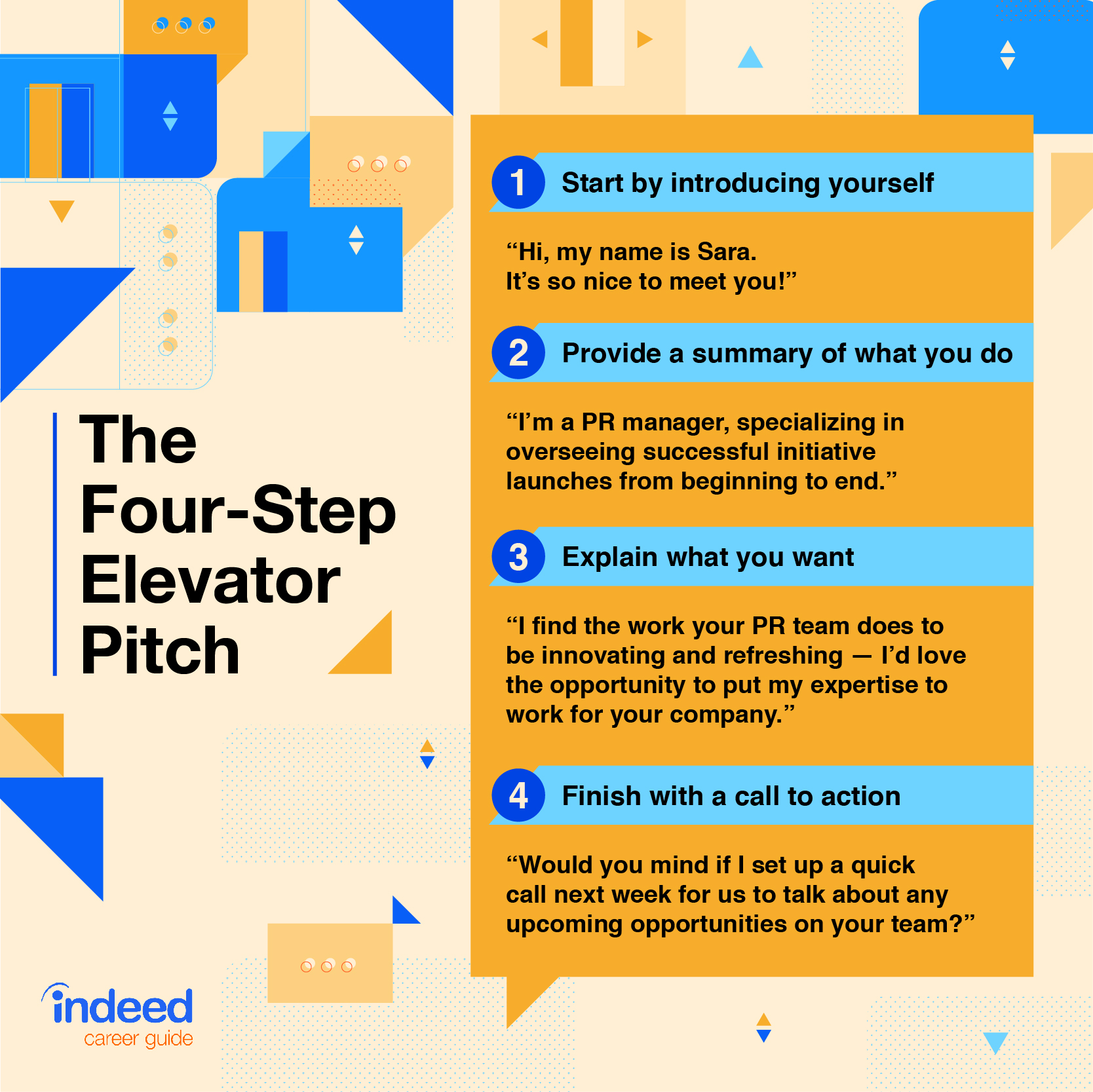
Elevator Pitch Perfect: Crafting a Concise and Compelling Introduction
Alright, friend! Ever been stuck in an elevator with someone you NEED to impress? Or maybe at a networking event, feeling totally awkward and struggling to explain what you do? We've all been there. You only have a few seconds to make a killer first impression. That, my friend, is where the Elevator Pitch comes in. But let's be real, crafting a good one can feel like trying to fold a fitted sheet – utterly frustrating. That's the problem we're tackling today. How do you go from sounding like a mumbling mess to a confident, charismatic rockstar in 30 seconds or less?
Forget long-winded explanations and boring jargon. We're talking about crafting an elevator pitch that's so good, it'll leave people wanting more. Think of it as your professional dating profile – short, sweet, and leaves them swiping right!
The Solution: Your Elevator Pitch Makeover!
We're gonna break down the art of the elevator pitch into actionable steps. Get ready to ditch the blah and embrace the BAM!
1. Nail the Problem: What Pain Are You Solving? (aka, The "Why Should I Care?" Factor)
This is where you hook 'em. Don't just spout off what you do; tell them why it matters. Think about the problem your product or service solves. What frustration are you alleviating? What pain point are you addressing? And please, avoid business buzzwords like "synergy" and "paradigm shift." We're aiming for relatable, not robotic.
Explanation: The key here is to connect with the listener on an emotional level. People are more likely to remember you if you address their needs directly. This isn't just about what you do, it's about what you do for them.
Example: Instead of saying "I'm a web developer," try "I help small businesses get found online so they can stop losing customers to their competitors." See the difference? That hits a nerve!
Actionable Step: Brainstorm three major problems you solve for your target audience. Write them down in plain English. Seriously, ditch the jargon!
2. The "What You Do" (But Make It Sexy): Ditch the Dull Description
Okay, now you get to tell them what you actually *do*. But remember, this isn't about listing your job title or responsibilities. This is about painting a picture of the value you provide. Keep it concise and focused on the benefits, not the features. Think "outcomes," not "outputs." No one cares about your coding skills; they care about the amazing website you can build for them.
Explanation: People's attention spans are shorter than ever. You need to get to the point quickly and clearly. Focus on the tangible results of your work. What makes you different from every other person who does what you do?
Example: Instead of "I manage social media accounts," try "I help businesses build a thriving online community that drives sales and brand loyalty." BOOM. That's a game changer.
Actionable Step: Re-write your job description in one sentence, focusing solely on the benefits you provide. Use strong, action-oriented verbs.
3. The "Secret Sauce": What Makes You Different? (Your Unique Value Proposition)
This is where you sprinkle in your special sauce. What makes you stand out from the crowd? What's your unique value proposition (UVP)? Do you have a specific expertise, a unique approach, or a proven track record? Don't be afraid to brag a little (but keep it classy!).
Explanation: In a crowded marketplace, you need to differentiate yourself. Your UVP is what makes you memorable and compelling. It's the reason people should choose you over the competition.
Example: "I'm a marketing consultant, but I specialize in helping sustainable businesses reach eco-conscious consumers. I've helped my clients increase their sales by 30% while reducing their environmental impact." (Note: numbers are always a good thing!)
Actionable Step: Identify your top three strengths and then figure out how they differentiate you from your competitors. Combine these strengths into a single, compelling statement.
4. The "Call to Action": Don't Leave 'Em Hanging!
So, you've hooked them, wowed them, and now...crickets? No way! End your pitch with a clear call to action. What do you want them to do next? Do you want to exchange business cards, schedule a follow-up call, or visit your website? Make it easy for them to take the next step.
Explanation: A call to action provides direction and prevents the conversation from fizzling out. It gives the other person a clear path to continue the engagement.
Example: "I'd love to chat more about how I can help you boost your brand. Do you have a business card? Or, you can find me on LinkedIn at [your profile name]."
Actionable Step: Craft a simple, direct call to action that aligns with your goals. Practice delivering it naturally and confidently.
5. Practice Makes Perfect (Seriously, Do It!)
You've got the formula, now it's time to practice! Practice in front of a mirror, record yourself, or even pitch your dog. The more you practice, the more natural and confident you'll become. You want your pitch to sound conversational, not rehearsed.
Explanation: Rehearsal builds muscle memory and helps you internalize your pitch. You'll be less likely to stumble or freeze up when you're put on the spot.
Example: Find a friend or colleague and ask them to listen to your pitch and provide feedback. Be open to constructive criticism and keep refining your message.
Actionable Step: Dedicate 15 minutes each day to practicing your elevator pitch. Time yourself and track your progress.
Bonus Tip: Keep it Authentic and Adaptable!
The best elevator pitches are authentic and tailored to the specific audience. Don't try to be someone you're not. Let your personality shine through! And be prepared to adapt your pitch based on the context and the person you're talking to. What works for a venture capitalist might not work for a potential client.
Example: If you're talking to someone in a creative field, use more visual language and focus on the aesthetic aspects of your work. If you're talking to someone in finance, emphasize the ROI and quantifiable results.
Final Thoughts: Go Forth and Conquer!
Friend, crafting an elevator pitch is like leveling up your networking game. It takes practice, but the payoff is huge. So, ditch the awkward introductions, embrace the BAM, and get ready to make a killer first impression. You got this! Now go out there and crush it!
Wrapping It Up: From Awkward Silence to Epic Connection
Okay, let's keep it 100. We've just navigated the treacherous waters of the elevator pitch, transforming it from a source of existential dread into a legit superpower. We've chopped through the BS, ditched the jargon, and unpacked a framework that's all about making *you* shine. Remember those days of rambling, incoherent explanations that left people silently praying for the elevator doors to open? Yeah, those are officially canceled.
We've armed you with the knowledge to identify the core problem you solve, articulate your value in a way that's both compelling and concise, highlight your unique secret sauce, and seal the deal with a call to action that actually gets results. We've emphasized authenticity, adaptability, and the sheer importance of practice, because, let's face it, even the best formula is useless if you don't actually put in the work. This isn't just about memorizing a script; it's about embodying a message that resonates with your passion and expertise. It's about turning that verbal spaghetti into a mouthwatering ravioli of awesome.
Think back to the beginning. We painted a picture of those awkward networking events, the lukewarm wine, the rubber chicken...the struggle was real. But now, you're equipped to transform those cringe-worthy moments into golden opportunities. You're ready to walk into any room, any elevator, any virtual meeting, and confidently articulate your value in a way that captivates, intrigues, and leaves people wanting more. You're not just introducing yourself; you're making a statement.
So, what's the next level play? Let's get down to the nitty-gritty. You've read the article, soaked up the insights, and now it's time to put those actionable steps into, well, action! This isn't a spectator sport, friend. This is your chance to take control of your narrative and craft an elevator pitch that truly reflects your awesomeness. Here's the breakdown:
- Action Item #1: The Problem Solver Deep Dive. Seriously, grab a pen and paper (or your favorite note-taking app) and dedicate 15 minutes to brainstorming the *real* problems you solve for your target audience. Dig deep. What are their biggest frustrations? What keeps them up at night? The more specific you are, the more resonant your pitch will be. Ditch the surface-level fluff and get to the heart of the matter. Think pain points, anxieties, and unmet needs.
- Action Item #2: The "What You Do" Transformation. Now, rewrite your current job description (or your description of what you do, if you're a freelancer or entrepreneur) in *one* sentence. Focus on the benefits you provide, not the features you offer. Use strong, action-oriented verbs that paint a vivid picture of the value you deliver. Avoid jargon like the plague. This is your chance to make your work sound sexy, even if it's something seemingly mundane.
- Action Item #3: The Unique Value Proposition Unleashed. This is where you flex your muscles and showcase what makes you different. Identify your top three strengths and then figure out how they differentiate you from your competitors. What's your superpower? What's your secret weapon? Combine these strengths into a single, compelling statement that makes people say, "Wow, I need to know more." Be specific. Be bold. Be unapologetically you.
- Action Item #4: The Call to Action Creation. Don't leave 'em hanging! Craft a clear, concise, and compelling call to action that aligns with your goals. What do you want people to do after they hear your pitch? Do you want them to visit your website, connect on LinkedIn, schedule a call, or buy your product? Make it easy for them to take the next step. Don't be afraid to be direct, but keep it conversational and authentic.
- Action Item #5: The Practice-a-Thon. This is the most important step of all. Practice your elevator pitch relentlessly. Practice in front of a mirror, record yourself, pitch your dog (they're surprisingly good listeners), or ask a friend or colleague for feedback. The more you practice, the more natural and confident you'll become. Aim for conversational, not rehearsed. Focus on your delivery, your tone, and your body language. Remember, confidence is contagious.
Alright, friend, consider this your official call to adventure! The world is waiting for your killer elevator pitch. It's time to ditch the verbal vomit and embrace the art of concise and captivating communication. It's time to turn those awkward elevator rides into opportunities. It's time to stop being a wallflower and start being a game-changer.
So, here's the challenge: Commit to spending just 30 minutes each day for the next week working on your elevator pitch. That's it. 30 minutes. No excuses. Use the actionable steps we've outlined to craft, refine, and practice your pitch until it's polished, powerful, and authentically you. Share your progress with a friend, a colleague, or even on social media (tag us, we'd love to see what you come up with!). Hold yourself accountable. You owe it to yourself to unlock your full potential.
Remember, this isn't just about networking or landing a job. It's about confidently communicating your value in any situation. It's about building connections, fostering relationships, and making a meaningful impact. It's about owning your story and sharing it with the world.
And if you're feeling stuck, overwhelmed, or just plain uninspired, remember this: You are awesome. You have unique skills, talents, and experiences that the world needs to hear about. Don't let fear, doubt, or self-criticism hold you back from sharing your gifts. Embrace your authenticity, celebrate your individuality, and let your personality shine through. You've got this.
Because here's the real tea: The world doesn't need another generic, cookie-cutter elevator pitch. It needs *your* elevator pitch. The one that reflects your unique perspective, your passion, and your unwavering commitment to making a difference. So, go forth, friend, and craft a pitch that's as unforgettable as you are. Unleash your inner rockstar. Crush it in that elevator. Ace that networking event. And remember, the next time someone asks you, "So, what do you do?", you'll be ready to drop some knowledge and blow their minds. (Figuratively, of course. Let's keep it professional.)
You've got the tools, you've got the knowledge, and you've got the power. Now go out there and make some magic happen!
What's one thing you're going to change about your elevator pitch after reading this article? Drop it in the comments below! Let's get the conversation started!
And remember: The elevator is going up. Are you coming with it?


