Saturday, May 31, 2025

Mastering the Art of Business Cash Flow: Strategies for Stability and Growth.

Cash Flow Image

Mastering the Art of Business Cash Flow: Strategies for Stability and Growth

Alright, friend! Let's talk about something that can make or break your business: cash flow. It's not just about making sales; it's about having enough moolah in the bank when you need it. Think of it like this: you can be swimming in orders, but if you can't pay your suppliers or employees on time, you're basically sunk. It's like throwing a killer party but realizing you forgot to buy the booze – major buzzkill!

The big problem? Many businesses, especially startups and small businesses, struggle with cash flow. They're too focused on getting customers and forget to manage the actual flow of money. This can lead to some serious headaches, like missing payroll, turning down awesome opportunities, and eventually, even closing shop. No bueno!

But don't sweat it! We're here to arm you with the strategies you need to become a cash flow ninja. Get ready to level up your business game!

1. Know Your Numbers: The Cash Flow Dashboard

Dude, you can't manage what you don't measure. So, first things first: track your cash flow! Think of it like your business's vital signs. You wouldn't drive a car without a speedometer, right? Same deal here.

  • What to track: Incoming cash (sales, investments, etc.), outgoing cash (expenses, salaries, bills, etc.), and the timing of these flows. Get down and dirty with those spreadsheets or accounting software!
  • Pro Tip: Use accounting software like Xero, QuickBooks, or FreshBooks. They're not just for tax season; they can give you real-time insights into your cash position. Think of them as your personal money gurus.
  • Example: Let's say you sell handmade jewelry. Track when you receive payments from customers (incoming), and when you pay for beads, wire, and Etsy fees (outgoing). Knowing this helps you predict if you'll have enough cash to buy that sweet new bead collection you've been eyeing.

2. Get Paid Faster: Ditch the Slow-Pay Blues

One of the biggest cash flow killers is slow-paying customers. Chasing invoices is a total drag and it sucks up your precious time. Time is money, friend!

  • Offer incentives for early payment: Think discounts! "Pay within 10 days and get 2% off!" It's a win-win – they save money, and you get your cash faster. It's like a financial high-five.
  • Send invoices promptly: Don't wait until the end of the month. Send invoices as soon as the work is done. The sooner they get it, the sooner they can pay. No brainer, right?
  • Use online payment systems: Make it easy for customers to pay you! Accept credit cards, PayPal, and other online payment methods. Nobody wants to mail a check in 2024. That's so last century.
  • Automate your invoicing process: Set up recurring invoices and automated reminders. Let technology do the heavy lifting! You can be sipping margaritas while the money rolls in (okay, maybe not *rolling* in, but at least moving faster!).

3. Negotiate Longer Payment Terms with Suppliers: Stretch That Cash!

Just as you want to get paid faster, you want to *pay* slower (within reason, of course – don't burn bridges!). Negotiating longer payment terms with your suppliers can free up cash flow.

  • Build strong relationships: Treat your suppliers like partners. Good relationships lead to better deals. Think of it as karma – be good, and good things will happen (financially speaking!).
  • Ask for extended terms: Don't be afraid to ask! See if you can negotiate 60-day or even 90-day payment terms instead of the standard 30 days. You'd be surprised how often they'll say yes, especially if you're a reliable customer.
  • Consolidate suppliers: Concentrating your purchases with fewer suppliers can give you more leverage for negotiating better terms. Plus, it simplifies your life. Double win!

4. Manage Inventory Like a Pro: Avoid the Inventory Black Hole

Inventory can be a huge cash suck. Too much, and you're tying up your money in stuff that's just sitting on shelves. Too little, and you're missing out on sales. It's a balancing act!

  • Implement a Just-in-Time (JIT) inventory system: Order inventory only when you need it. This minimizes storage costs and reduces the risk of obsolescence. Think "lean and mean."
  • Forecast demand accurately: Use historical data and market trends to predict future demand. The better you predict, the less likely you are to overstock or understock.
  • Run regular inventory audits: Know what you have on hand. Identify slow-moving or obsolete items and take action to get rid of them (e.g., discounts, bundling). Don't let them become dust collectors!

5. Budgeting and Forecasting: Crystal Ball Gazing for Your Cash

Creating a budget and forecasting your cash flow is like having a crystal ball for your business's finances. It helps you anticipate problems and make informed decisions. No need to consult a psychic – just crunch the numbers!

  • Create a budget: Outline your expected income and expenses for a specific period (e.g., monthly, quarterly, annually). This is your roadmap for financial success.
  • Forecast your cash flow: Project your cash inflows and outflows over time. This will help you identify potential cash shortages or surpluses.
  • Use "what-if" scenarios: What if sales drop by 20%? What if a major customer doesn't pay on time? Prepare for the unexpected. It's like having a backup plan for your backup plan.

6. Cut Unnecessary Expenses: Trim the Fat, Not the Muscle

Take a hard look at your expenses. Are there any areas where you can cut back without hurting your business? Think of it as a financial detox – get rid of the unnecessary junk!

  • Review your subscriptions and memberships: Are you really using all those software subscriptions? Cancel the ones you don't need. It's amazing how much money you can save just by decluttering your digital life.
  • Negotiate better rates: Call your internet provider, insurance company, and other service providers and see if you can get a better deal. It never hurts to ask! Worst case scenario, they say no. Best case, you save a bunch of cash.
  • Reduce energy consumption: Turn off lights when you leave a room, use energy-efficient appliances, and optimize your heating and cooling systems. Save money and save the planet – it's a win-win.

7. Build a Cash Reserve: Your Emergency Fund

Life happens. Unexpected expenses pop up. Having a cash reserve is like having an emergency fund for your business. It's there to protect you when things go south. It's your financial safety net.

  • Set a goal: Aim to have at least 3-6 months of operating expenses in reserve. This will give you a cushion to weather any storms.
  • Allocate a percentage of profits: Set aside a portion of your profits each month to build your reserve. It's like saving for a rainy day (but in this case, the rainy day is a financial crisis).
  • Keep it accessible: Store your reserve in a high-yield savings account or other liquid investment. You want to be able to access it quickly if you need it.

8. Consider Invoice Factoring or Financing: When You Need Cash Now!

Sometimes, you need cash ASAP. Invoice factoring or financing can provide you with immediate access to funds based on your outstanding invoices. It's like a cash advance for your business.

  • Invoice Factoring: You sell your invoices to a factoring company at a discount, and they collect payment from your customers. You get cash quickly, but you lose a percentage of the invoice value.
  • Invoice Financing: You borrow money against your invoices. You retain ownership of the invoices and are responsible for collecting payment from your customers. You pay interest on the borrowed amount.
  • Do your research: Compare different factoring and financing companies to find the best rates and terms. Read the fine print!

9. Diversify Your Revenue Streams: Don't Put All Your Eggs in One Basket

Relying on a single customer or product is risky. If that customer leaves or that product becomes obsolete, you're in trouble. Diversifying your revenue streams can make your business more resilient.

  • Offer multiple products or services: Expand your offerings to cater to a wider range of customers.
  • Explore new markets: Target different geographic regions or customer segments.
  • Create passive income streams: Think online courses, ebooks, or affiliate marketing.

10. Stay on Top of Government Incentives and Grants: Free Money, Anyone?

Governments often offer grants and incentives to support small businesses. These can provide a much-needed boost to your cash flow. It's basically free money, so why not take advantage?

  • Research available programs: Check with your local, state, and federal government agencies for grant and incentive programs.
  • Meet the eligibility requirements: Make sure you meet the requirements before applying.
  • Submit a strong application: Highlight your business's strengths and explain how the grant or incentive will help you grow.

So there you have it, friend! Mastering cash flow is an ongoing process, but with these strategies, you'll be well on your way to building a stable and growing business. Now go out there and make some money (and manage it wisely!). You got this!


Conclusion: Level Up Your Financial Game and Make That Dough!

Alright, my friend, we've reached the end of this deep dive into the art of mastering business cash flow. Take a moment to pat yourself on the back – you made it! We covered a ton of ground, from understanding the importance of tracking your numbers like a hawk, to the savvy moves of negotiating payment terms and diversifying those revenue streams. Remember, it's not just about the big sales moments; it's about the everyday, consistent management of your money that truly makes the difference. In short: knowing where your money is, where it's going, and how to make more of it is your key to financial freedom (for you and your business!).

So, what's the takeaway? It's simple: cash flow is king (or queen!) in the business world. You can have the most innovative product or service on the planet, but if you're constantly struggling to meet payroll or pay your bills, your dream is going to turn into a nightmare real quick. This isn't just about surviving; it's about thriving, innovating, and finally getting to that beach vacation you've been putting off. We all deserve a little R&R, right?

Here's a quick recap of the key takeaways from our chat:

  • Know Your Numbers: Track your cash flow meticulously. It's your business's lifeline.
  • Get Paid Faster, Pay Slower (Smartly): Implement strategies to speed up incoming payments and extend outgoing payment terms, without burning bridges.
  • Manage Inventory Like a Ninja: Optimize your inventory levels to avoid tying up cash in unnecessary stock.
  • Budget and Forecast Like a Pro: Plan for the future and anticipate potential cash flow challenges.
  • Cut the Fat: Identify and eliminate unnecessary expenses. Every penny counts!
  • Build a Cash Reserve: Create a financial safety net to weather unexpected storms.
  • Explore Financing Options (Wisely): Consider invoice factoring or financing as a short-term solution when you need cash fast.
  • Diversify Your Revenue Streams: Don't put all your eggs in one basket.
  • Take Advantage of Government Incentives: Get that free money!
  • Repeat, Repeat, Repeat: Continuously monitor, adjust, and optimize your cash flow strategies.

But knowledge without action is, well, just knowledge. It's time to roll up your sleeves and put these strategies into practice. Don't just bookmark this article and forget about it. Implement one strategy this week. Just one! You'll be surprised at the difference it makes.

Your Action Plan: Let's Get This Bread!

I'm not just going to leave you hanging here. Let's break down your actionable steps. Here's a challenge – a #CashFlowChallenge, if you will:

  1. This Week: Choose ONE of the strategies we discussed and implement it in your business. For example, maybe you decide to send out payment reminders to all outstanding invoices. Or perhaps you decide to review your subscription costs and cancel any you aren't using. Just pick one and commit to it.
  2. Next Week: Analyze the results of your action. Did you see an improvement in your cash flow? What did you learn from the experience? Share your success (or struggles!) on social media using the hashtag #CashFlowChallenge. Let's create a community and learn from each other!
  3. Ongoing: Continuously monitor and adjust your cash flow strategies. This isn't a one-time fix; it's an ongoing process.

Seriously, friend, don't just read this and think, "Yeah, that makes sense." Do something. Take action. Your business (and your bank account) will thank you for it.

Call to Action: Time to Get Real

Ready to take your cash flow mastery to the next level? Here's your call to action: Download our free Cash Flow Template Toolkit! This toolkit includes customizable spreadsheets, budgeting templates, and a checklist to help you implement these strategies effectively. You can find it right [here](insert link to your free resource here). Seriously, it's free. No catch. Just pure, unadulterated cash flow goodness.

And while you're at it, why not join our exclusive online community of entrepreneurs? It's a place where you can connect with like-minded individuals, share your experiences, ask questions, and get support. Plus, we'll be sharing even more advanced cash flow strategies and tips. Join us [here](insert link to your community here). Consider it your personal cash flow support group.

The Final Word: You Got This!

Look, I get it. Running a business is hard. There are so many things to juggle, and it's easy to feel overwhelmed. But mastering cash flow is one of the most important things you can do to ensure the long-term success of your business. It might seem daunting at first, but trust me, you can do this. You're smarter, more resilient, and more resourceful than you think.

Remember that initial burning passion that drove you to start your business? Channel that energy into mastering your finances. With a solid understanding of cash flow, you'll be able to make smarter decisions, take calculated risks, and ultimately, achieve your entrepreneurial dreams. You'll be able to invest back into your business, create more jobs, and make a real difference in the world. And yeah, maybe you'll finally get to sip those margaritas on the beach – guilt-free.

So go out there, friend. Embrace the challenge. Take control of your cash flow. And remember, we're all in this together. We believe in you!

Now, for a little fun: what's the most creative way you've ever saved money in your business? Share your stories in the comments below! Let's inspire each other with our financial wizardry.

Unlocking Brand Brilliance: Proven Strategies for Maximum Impact

Brand Brilliance Image

Unlocking Brand Brilliance: Proven Strategies for Maximum Impact

Okay, friend, let's be real. Kamu punya produk atau jasa yang super keren, tapi kok ya berasa kayak ngomong sendiri di tengah gurun pasir? Brand kamu kurang nendang? Jangan panik! We've all been there. Masalahnya bukan di kualitas produk kamu, tapi gimana cara bikin orang ngeh, jatuh cinta, dan akhirnya jadi pelanggan setia. So, let's dive into some proven strategies to turn your brand from blah to "OMG, I need that!"

The Core Problem: Why Your Brand Might Be a Wallflower

Let's break it down. In today's crazy-noisy world, it's tough to stand out. Here's the gist:

  • You're blending in, not standing out: Think about it – are you just another fish in the sea? Kalau iya, we need to change that ASAP!
  • Your messaging is a snooze-fest: Boriiing! Kalau orang langsung ngantuk pas baca tagline kamu, it's time for a revamp.
  • You're not connecting with your audience: It's like trying to talk to someone in a language they don't understand. Fail!

But don't worry, we're about to fix all that. Get ready for some serious brand brilliance!

Strategy 1: Nail Your Brand Identity – It's Your Vibe!

This is where the magic starts. Your brand identity is basically your brand's personality. It's what makes you, well, YOU! Think of it as your brand's DNA.

  • Define Your Core Values: What do you stand for? Are you all about sustainability, innovation, or maybe making people laugh? Figure out your "why." Pro-tip: Don't just pick buzzwords. Be authentic!
  • Craft Your Brand Story: Everyone loves a good story. What's yours? How did you get started? What problem are you trying to solve? Example: Look at TOMS Shoes. They built a whole brand around their "One for One" story. Genius!
  • Design a Killer Visual Identity: This is where things get visual! Your logo, colors, typography – it all needs to work together to create a cohesive and memorable look. Don't skimp on this! A bad logo can kill your brand before it even starts.

Actionable Tip: Spend some time brainstorming with your team. What makes you different? What are you passionate about? Use those answers to craft your brand identity.

Strategy 2: Content is King (and Queen!) – Rule the Digital Realm

Okay, so you've got a killer brand identity. Now what? Time to unleash the power of content! Content marketing is all about creating valuable, engaging, and consistent content that attracts and retains your target audience. It's not about selling; it's about building relationships.

  • Know Your Audience, Dude!: Who are you talking to? What are their pain points? What do they care about? The more you know, the better you can tailor your content to their needs. Think: Creating content your mom would love might not resonate with Gen Z. #JustSaying
  • Create a Content Calendar: Don't just wing it! Plan your content in advance to stay consistent and on-brand. Bonus points: Use a tool like Trello or Asana to keep everything organized.
  • Mix it Up: Don't just stick to one type of content. Experiment with blog posts, videos, infographics, podcasts, and social media updates. Pro-tip: Video is HUGE right now. If you're not doing video, you're missing out.

Real-World Example: Red Bull isn't just an energy drink; it's a media empire. They create insane content around extreme sports and adventure. They're not just selling caffeine; they're selling a lifestyle. #MindBlown

Strategy 3: Social Media Mastery – Get Your Gram On!

Alright, let's talk social media. It's a must, but it's also a minefield. Here's how to navigate it like a pro.

  • Choose Your Platforms Wisely: Don't try to be everywhere at once. Focus on the platforms where your target audience hangs out. Example: If you're targeting teens, TikTok and Instagram are your jam. If you're targeting professionals, LinkedIn is your best bet.
  • Engage, Engage, Engage!: Social media is a two-way street. Don't just broadcast; interact with your followers. Respond to comments, answer questions, and run contests. Think: Be a real person, not a robot.
  • Use Hashtags Like a Boss: Hashtags are your best friend when it comes to discoverability. Research relevant hashtags and use them strategically in your posts. Pro-tip: Don't go overboard! A few well-chosen hashtags are better than a million irrelevant ones.

Fun Fact: Wendy's social media team is legendary for their sassy and witty responses. They've built a huge following by being authentic and hilarious. #Respect

Strategy 4: SEO Power – Make Google Your BFF

You can have the coolest website in the world, but if nobody can find it, what's the point? That's where SEO (Search Engine Optimization) comes in.

  • Keyword Research is Key: Find out what keywords your target audience is searching for. Use tools like Google Keyword Planner or SEMrush to help you. Think: What would *you* type into Google to find your product or service?
  • Optimize Your Website: Make sure your website is fast, mobile-friendly, and easy to navigate. Use your keywords in your titles, descriptions, and content. Don't forget: Google loves fresh, high-quality content.
  • Build Backlinks: Backlinks are like votes of confidence from other websites. The more backlinks you have, the higher your website will rank in search results. Pro-tip: Focus on getting backlinks from reputable websites in your industry.

SEO Tip: Think long-term. SEO is a marathon, not a sprint. It takes time and effort to see results, but it's worth it in the long run.

Strategy 5: Never Stop Evolving – Stay Fresh, Stay Relevant

The world of marketing is constantly changing. What works today might not work tomorrow. That's why it's crucial to stay on top of the latest trends and adapt your strategy accordingly.

  • Track Your Results: Use analytics tools to track your website traffic, social media engagement, and sales. Find out what's working and what's not, and adjust your strategy accordingly. Think: Data is your friend!
  • Stay Curious: Read industry blogs, attend conferences, and network with other marketers. Always be learning and looking for new ideas. Pro-tip: Follow some of the top marketing influencers on social media.
  • Don't Be Afraid to Experiment: Try new things and see what works. Not every experiment will be a success, but you'll learn something from every one. Remember: Innovation is key!

Final Thought: Building a brilliant brand takes time, effort, and a little bit of magic. But with the right strategies and a dash of creativity, you can create a brand that truly shines. So go out there and make some magic happen!

Conclusion: From Wallflower to Spotlight – Your Brand's Next Chapter

Alright, friend, we've reached the end of our deep dive, and hopefully, you're armed with a toolbox overflowing with actionable strategies to elevate your brand from its current status to something truly remarkable. Let's recap the core principles we've unpacked, shall we? We started by acknowledging the core problem: the sheer noise of the modern marketplace, where standing out feels like an Olympic sport. We pinpointed the common pitfalls – blending in, snooze-fest messaging, and a disconnect with your target audience. But don't worry; we didn't just leave you hanging with the problem; we delivered the solutions.

First, we tackled your brand identity – the very DNA of your brand. We emphasized the importance of defining your core values, crafting a compelling brand story that resonates with authenticity, and designing a killer visual identity that grabs attention and sticks in people's minds. Remember, your brand identity isn't just a logo; it's the entire vibe, the feeling people get when they interact with you.

Next, we unleashed the power of content marketing. We stressed the importance of knowing your audience inside and out, creating a consistent content calendar, and mixing it up with various content formats, from blog posts to videos to infographics. The key takeaway here is that content isn't about selling; it's about building relationships, providing value, and positioning yourself as a trusted authority in your niche.

Then, we navigated the often-treacherous waters of social media. We talked about choosing your platforms wisely, engaging with your followers like a real human being, and using hashtags strategically to amplify your reach. Remember, social media is a conversation, not a monologue. It's about building a community around your brand and fostering genuine connections with your audience.

We also delved into the technical side of things with SEO. We discussed the importance of keyword research, optimizing your website for search engines, and building backlinks to increase your website's authority. SEO might seem daunting, but it's essential for ensuring that your brand can be found by people who are actively searching for what you offer.

Finally, we emphasized the importance of continuous evolution. The marketing landscape is constantly changing, and you need to stay agile, adapt to new trends, and never stop experimenting. Track your results, stay curious, and don't be afraid to try new things. Remember, innovation is the lifeblood of any successful brand.

Now, It's Your Turn: Time to Unleash Your Brand Brilliance!

So, you've absorbed the knowledge, you've taken notes (hopefully!), and you're probably feeling a mix of excitement and maybe a little bit of overwhelm. That's perfectly normal! Building a brilliant brand is a journey, not a destination. It's a process of continuous learning, experimentation, and refinement. But the first step is always the hardest. That's why I'm going to give you some super-specific, actionable calls to action to get you started right now.

  1. Immediately Audit Your Brand Identity: Grab a notepad and pen (or open a new document on your computer) and answer these questions: What are your core values? What's your brand story? What's the one thing that makes you different from your competitors? Be brutally honest with yourself. If you're not happy with your answers, it's time for a revamp. Action Item: Schedule a brainstorming session with your team this week to discuss your brand identity.
  2. Content Brainstorm Bonanza: Dedicate an hour to brainstorming at least 10 content ideas that would resonate with your target audience. Think about their pain points, their interests, and their aspirations. Don't be afraid to get creative and think outside the box. Pro-Tip: Use a tool like AnswerThePublic to uncover questions your audience is asking online.
  3. Social Media Deep Dive: Analyze your social media presence. Are you using the right platforms? Are you engaging with your followers? Are you using hashtags effectively? Action Item: Choose one social media platform and commit to posting consistently for the next week. Experiment with different types of content and see what resonates with your audience.
  4. SEO Quick Win: Identify one keyword that's relevant to your business and optimize one page on your website for that keyword. Make sure to include the keyword in your title tag, meta description, and body copy. Bonus Points: Use a tool like Yoast SEO to guide you through the optimization process.
  5. Seek Feedback, Like, Yesterday: Reach out to five of your customers (or potential customers) and ask them for feedback on your brand. What do they think of your logo, your website, your social media presence? What could you do better? Be open to criticism and use their feedback to improve your brand. Remember: Customer feedback is gold!

Level Up Your Brand: Specific Call-to-Actions!

Those are your immediate action items. Now, let's look at some longer-term, more strategic actions you can take to truly level up your brand:

  1. Invest in Professional Branding: If you're serious about building a brilliant brand, consider hiring a professional branding agency or consultant. They can help you develop a comprehensive brand strategy, design a stunning visual identity, and create compelling content that resonates with your target audience. Think of it as an investment in your future success.
  2. Build an Email List: Email marketing is still one of the most effective ways to connect with your audience and drive sales. Offer a free ebook, a discount code, or some other valuable incentive in exchange for their email address. Pro-Tip: Use a tool like Mailchimp or ConvertKit to manage your email list and send out automated email sequences.
  3. Create a Brand Ambassador Program: Turn your most loyal customers into brand ambassadors. Give them exclusive access to new products, offer them discounts, and encourage them to spread the word about your brand. Word-of-mouth marketing is incredibly powerful.
  4. Partner with Influencers: Collaborate with influencers in your niche to reach a wider audience. Choose influencers who are authentic, have a genuine connection with their followers, and align with your brand values. Remember: Authenticity is key!
  5. Track Everything: Use analytics tools to track your website traffic, social media engagement, email open rates, and sales. Analyze your data to see what's working and what's not, and adjust your strategy accordingly. Data-driven decisions are the best decisions.

The Journey of a Thousand Miles Begins with a Single Step (and Maybe a Strong Cup of Coffee!)

Listen, friend, I know this can seem like a lot. Building a brilliant brand isn't easy. It takes time, effort, and a willingness to experiment and learn. But it's also incredibly rewarding. When you create a brand that resonates with your audience, that solves their problems, and that makes them feel good, you're not just building a business; you're building a community, a movement, a legacy.

Don't get discouraged if you don't see results overnight. Branding is a marathon, not a sprint. There will be ups and downs, successes and failures. The key is to stay consistent, stay curious, and never stop learning. Keep experimenting, keep refining your strategy, and keep connecting with your audience. You got this!

So, go out there and make some magic happen. Create a brand that you're proud of, a brand that makes a difference, and a brand that truly shines. The world needs your unique voice, your unique perspective, and your unique brand. Don't be afraid to let it shine! This isn't about overnight riches, and if that's what you seek, then the long hours of hard work will get to you real quick, and the shine will start to fade. This is about building something that will withstand the elements of time, and continue to live on for you.

Imagine 5, 10 or even 20 years from now, when your brand is a household name and people are telling their friends and loved ones about you. You have now created a piece of history for yourself, and everyone can appreciate that.

It's your time. Go get it!

One Last Question: What's the One Thing You're Going to Do Differently Today?

Okay, before you go, I want you to answer one simple question: What's the one thing you're going to do differently today to start building a more brilliant brand? It could be something as small as updating your social media profile or something as big as scheduling a brainstorming session with your team. Whatever it is, commit to doing it today. Write it down, tell a friend, and hold yourself accountable. Because the only way to turn your brand into a masterpiece is to start painting, like, yesterday.

Now get out there and create something amazing. I'm cheering you on!

Friday, May 30, 2025

The Indispensable Blueprint: Why a Marketing Plan is Every Business's Cornerstone.

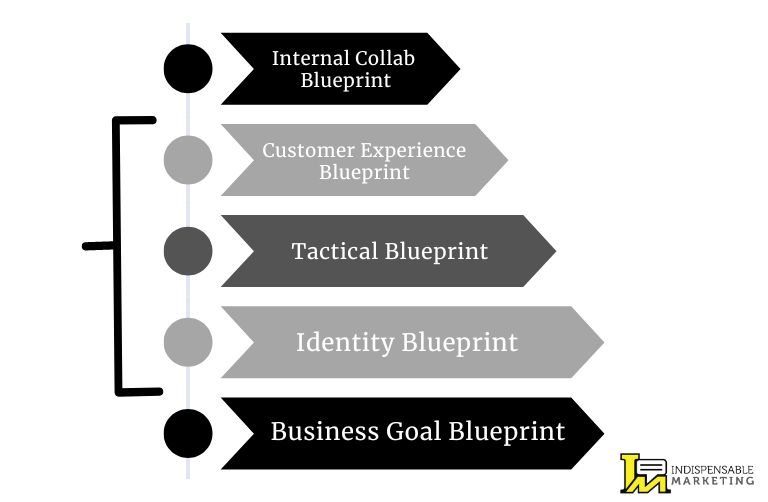
The Marketing Blueprints

The Indispensable Blueprint: Why a Marketing Plan is Every Business's Cornerstone

Alright, friend, let's talk. Ever feel like you're driving a car blindfolded? That's what running a business without a solid marketing plan feels like. You're throwing money at things, hoping something sticks, but mostly just feeling lost and frustrated. Sound familiar? Yeah, we've all been there. But guess what? There's a cure for that feeling – a rock-solid marketing plan. Think of it as your GPS, your roadmap, your personal guide to marketing success. No more aimless wandering, just clear directions and (hopefully) smooth sailing!

The Big Problem: Why Most Businesses Flounder (and How You Can Avoid It)

Let's be real. Most businesses fail. And a HUGE reason why? They don't have a clue where they're going with their marketing. They're just winging it, hoping for the best. They see what everyone else is doing and try to copy it, without understanding *why* it works for them (or if it even works at all!). It's like trying to bake a cake without a recipe – you might get lucky, but chances are, it's gonna be a disaster. We don't want that for you. We want you to bake a cake that's so good, everyone's lining up for a slice!

The Solution: Your Marketing Plan to the Rescue! (And Why It's Not as Scary as You Think)

Okay, so what's the answer? A marketing plan! But hold up, don't let that term scare you. It's not some dusty, complicated document that sits on a shelf gathering dust. It's a living, breathing guide that helps you make smart decisions, stay focused, and ultimately, grow your business. It's your secret sauce to marketing domination. Here's how it breaks down:

1. Know Thyself (and Your Audience): Market Research, Baby!

Why it's important: Before you start shouting your message from the rooftops, you need to know *who* you're shouting to. Market research isn't just for the big corporations; it's crucial for everyone. You need to understand your target audience – their needs, their wants, their pain points, where they hang out online, what makes them tick. Think of it as dating. You wouldn't propose on the first date without getting to know someone, right? Same goes for marketing.

Practical Steps:

  • Surveys: Use online survey tools like SurveyMonkey or Google Forms to ask your existing customers (or potential customers) questions about their needs and preferences.
  • Customer Interviews: Hop on a call with a few of your ideal customers and have a casual chat. Ask them about their challenges and how your product or service helps them.
  • Competitor Analysis: Scope out what your competitors are doing. What are they doing well? What are they doing poorly? What can you learn from them?
  • Social Listening: Use tools like Mention or Brand24 to track what people are saying about your brand (and your industry) online.

Real-Life Example: Let's say you're selling organic dog treats. Market research might reveal that your target audience is millennials who are obsessed with their furry friends and willing to spend a little extra on healthy, high-quality ingredients. Knowing this, you can tailor your marketing messages and target your ads to reach this specific group.

2. Set S.M.A.R.T. Goals: No More Vague Aspirations!

Why it's important: "Increase sales" is not a goal. It's a wish. You need to set S.M.A.R.T. goals – Specific, Measurable, Achievable, Relevant, and Time-bound. This gives you something concrete to aim for and allows you to track your progress. Vague aspirations lead to vague results. We want laser-focused action!

Practical Steps:

  • Specific: Instead of "increase sales," try "Increase online sales by 15%."
  • Measurable: How will you track your progress? Use tools like Google Analytics or your CRM to monitor your sales and website traffic.
  • Achievable: Be realistic about what you can accomplish. Don't set a goal that's so ambitious it's impossible to reach.
  • Relevant: Make sure your goals align with your overall business objectives.
  • Time-bound: When do you want to achieve this goal? "By the end of Q4" is a good example.

Real-Life Example: A S.M.A.R.T. goal could be: "Increase website traffic by 20% by the end of Q3 by publishing two blog posts per week and running targeted Facebook ads." See how specific and measurable that is? Boom!

3. Choose Your Weapons Wisely: Marketing Channels That Actually Work

Why it's important: Don't try to be everywhere at once. You'll spread yourself too thin and end up being effective nowhere. Focus on the marketing channels that are most likely to reach your target audience and deliver the best results. This is where understanding your audience from step one really pays off. Is your audience on TikTok, LinkedIn, Instagram, or Reddit? Pick your battles, friend!

Practical Steps:

  • Consider Your Audience: Where does your target audience spend their time online?
  • Test Different Channels: Don't be afraid to experiment with different marketing channels to see what works best for your business.
  • Analyze Your Results: Track your results to see which channels are driving the most traffic, leads, and sales.
  • Focus on What Works: Once you've identified the most effective channels, double down on those efforts.

Real-Life Example: If you're selling B2B software, LinkedIn is likely a better choice than TikTok. If you're selling trendy clothing, Instagram and TikTok might be your go-to platforms. It's all about knowing where your people are!

4. Content is King (and Queen!): Create Value, Not Just Noise

Why it's important: In today's crowded online world, you need to create content that stands out and provides real value to your audience. Nobody wants to be bombarded with sales pitches all the time. Create content that educates, entertains, and inspires. Think blog posts, videos, infographics, podcasts – whatever floats your boat (and your audience's boat!). Think of yourself as a helpful friend, not just a salesperson.

Practical Steps:

  • Identify Your Audience's Pain Points: What problems are they trying to solve? What questions do they have?
  • Create Content That Addresses Those Pain Points: Provide helpful information and solutions.
  • Optimize Your Content for Search Engines: Use relevant keywords to help people find your content online.
  • Promote Your Content on Social Media: Share your content with your followers and encourage them to share it with their friends.

Real-Life Example: If you're selling accounting software, you could create blog posts about common accounting mistakes, videos about how to use the software, or infographics about the benefits of cloud accounting. Make it useful, make it engaging, and make it shareable!

5. Track, Measure, Adjust: The Continuous Improvement Cycle

Why it's important: A marketing plan isn't a "set it and forget it" kind of thing. You need to constantly track your results, measure your progress, and adjust your strategy as needed. What's working? What's not working? Ditch the things that aren't delivering results and double down on the things that are. It's all about continuous improvement and staying ahead of the curve.

Practical Steps:

  • Use Analytics Tools: Google Analytics, social media analytics, email marketing analytics – use these tools to track your results.
  • Set Up Key Performance Indicators (KPIs): These are the metrics that you'll use to measure your success. Examples include website traffic, leads, sales, and customer acquisition cost.
  • Regularly Review Your Results: Set aside time each week or month to review your results and identify areas for improvement.
  • Be Flexible: Don't be afraid to adjust your strategy based on your results. What works today might not work tomorrow.

Real-Life Example: If you're running Facebook ads and you notice that one ad is performing significantly better than the others, you might want to allocate more of your budget to that ad. If you're writing blog posts and you notice that certain topics are generating more traffic, you might want to write more posts on those topics. It's all about data-driven decision-making!

The Bottom Line: Stop Winging It and Start Winning!

Friend, a marketing plan isn't just some fancy document; it's the cornerstone of your business success. It gives you direction, helps you stay focused, and allows you to make smart decisions that will ultimately grow your business. So, ditch the blindfold, grab your GPS, and start building your indispensable marketing blueprint today! Trust me, your future self (and your bank account) will thank you for it. Now, go out there and crush it!

The Grand Finale: Wrapping Up and Unleashing Your Inner Marketing Rockstar!

Okay, friend, we've reached the end of our deep dive into the world of marketing plans. Let's recap, just to make sure everything's crystal clear. We've covered why a marketing plan is absolutely crucial – it's your GPS, your recipe for success, the antidote to feeling lost and overwhelmed. We've broken down the key components: understanding your audience through killer market research, setting those S.M.A.R.T. goals that actually get you somewhere, choosing the right marketing channels like a boss, creating content that slaps and delivers real value, and, of course, constantly tracking, measuring, and adjusting to stay on top of your game. Basically, we've equipped you with the tools to go from feeling like you're winging it to knowing exactly what you're doing and why.

But knowledge is power only when it's *applied*. So, let's get to the action, shall we? The biggest mistake you could make right now is to simply close this tab and forget everything you've just read. Don't let this be another article you skim and move on from! Let's turn this inspiration into something tangible, something that actually moves the needle for your business.

Your Mission, Should You Choose to Accept It: The 30-Day Marketing Plan Challenge!

I'm throwing down a challenge for you: the 30-Day Marketing Plan Challenge. Here's the deal: for the next 30 days, dedicate just a little bit of time each day to building out your marketing plan. Don't try to do it all at once – that's a recipe for overwhelm and burnout. Break it down into bite-sized chunks, and tackle it one step at a time.

  1. Week 1: Market Research Mayhem! Spend this week diving deep into your target audience. Conduct those surveys, schedule those customer interviews, stalk your competitors (ethically, of course!), and listen to what people are saying online. By the end of the week, you should have a crystal-clear picture of who you're trying to reach, what they need, and where they hang out.
  2. Week 2: S.M.A.R.T. Goal Setting Bonanza! This week, it's all about goals. Get specific, get measurable, get achievable, get relevant, and get time-bound! Brainstorm a list of potential goals, then refine them until they're S.M.A.R.T. as can be. Think about where you want your business to be in 3 months, 6 months, and a year from now, and set your goals accordingly.
  3. Week 3: Channel Selection Showdown! Time to choose your weapons! Based on your market research and your S.M.A.R.T. goals, decide which marketing channels are the best fit for your business. Don't try to be everywhere at once – focus on the channels that are most likely to deliver results. Maybe it's Instagram, maybe it's LinkedIn, maybe it's a combination of things. Experiment, test, and see what works!
  4. Week 4: Content Creation Craze! This is where the magic happens! Start brainstorming content ideas that will resonate with your target audience. Think blog posts, videos, infographics, podcasts, social media updates – whatever you're good at and whatever your audience will love. Create a content calendar to stay organized and consistent, and start cranking out that valuable content!

Bonus Challenge: Share Your Journey!

To make things even more fun (and hold yourself accountable), I challenge you to share your journey on social media. Use a specific hashtag (like #MyMarketingPlanChallenge) to document your progress, share your insights, and connect with other entrepreneurs who are on the same path. We can all learn from each other, and it's way more fun to do this together!

The Call to Action That Will Change Your Business:

Ready to accept the challenge? Here's your action plan:

  1. **Grab a Notebook (or Open a Google Doc):** This is your Marketing Plan HQ. Where you'll jot down ideas, research findings, and your overall strategy.
  2. **Block Off Time Each Day:** Even just 30 minutes can make a huge difference. Consistency is key!
  3. **Tell Someone You're Doing This:** Accountability is a game-changer. A friend, a family member, or even a fellow entrepreneur. Let them know your goal.
  4. **Join Our Online Community (Optional):** We're building a community of entrepreneurs who are serious about marketing. Share your struggles, celebrate your wins, and get support from like-minded individuals. (Link to community goes here)
  5. **Just Start!** The hardest part is often just taking that first step. Don't overthink it, just dive in!

But Wait, There's More! Your Free Marketing Plan Template

To make things even easier for you, we've created a free marketing plan template that you can download and use to guide your journey. It's packed with prompts, examples, and helpful tips to help you create a killer marketing plan that will actually work. You can grab it right here: (Link to free template goes here). No email required, just straight up value!

One Last Thing: Don't Be Afraid to Ask for Help!

Building a marketing plan can feel daunting, especially if you're new to the game. But you don't have to do it alone! There are tons of resources out there to help you along the way. Don't be afraid to reach out to mentors, join online communities, or even hire a marketing consultant to get some guidance. Remember, investing in your marketing is investing in your business, and it's always worth it!

Your Future Awaits: It's Time to Glow Up!

Friend, I truly believe in you. I believe that you have the potential to create something amazing, something that makes a real difference in the world. But you need a plan. You need a roadmap. You need a marketing plan that will guide you every step of the way. So, stop winging it, stop feeling lost and overwhelmed, and start building your indispensable marketing blueprint today. We get it, building a business is *hard*. There are days when you feel like throwing in the towel, when you question everything, when you feel like you're banging your head against a wall. But don't give up! Keep pushing forward, keep learning, and keep growing. The world needs what you have to offer. Your unique perspective, your passion, your creativity. Don't let anything hold you back. Remember those businesses failing we mentioned in the beginning? Let that be motivation! A clearly defined marketing plan can be the difference between "failure to launch" and "taking off like a rocket." You are in control of your destiny, my friend! The journey of entrepreneurship is a rollercoaster – with highs, lows, and loop-de-loops that will make your head spin. But it's also one of the most rewarding experiences you'll ever have. So, buckle up, enjoy the ride, and never stop learning. And remember this: you're not alone. We're all in this together. Let's support each other, celebrate each other's wins, and help each other overcome our challenges. We're a community, and we're stronger together.

A Final Word of Encouragement

So, are you ready to ditch the "struggle bus" and upgrade to the "success express"? Are you ready to transform your business from a side hustle to a thriving enterprise? Are you ready to unleash your inner marketing rockstar and take your business to the next level? I know you are! Don't let fear hold you back. Don't let perfectionism paralyze you. Don't let anything stop you from pursuing your dreams. You've got this! You're capable of amazing things. Believe in yourself, trust your gut, and never give up. Remember why you started this business in the first place. What was your vision? What were you hoping to achieve? Hold onto that vision, and let it fuel you through the tough times. And don't forget to have fun along the way! Entrepreneurship should be enjoyable. It should be fulfilling. It should be something that you're passionate about. If you're not having fun, something's gotta change. Reassess, adjust, and find a way to make it enjoyable again. Because at the end of the day, that's what it's all about. Creating something that you're proud of, something that makes a difference, and something that brings you joy. So, go out there and crush it, friend! I'm cheering you on every step of the way! You've got this. Now go out there and build something amazing. And hey, just out of curiosity... what's the one thing you're most excited to achieve with your new marketing plan? Hit reply and let me know – I'm genuinely interested! Now, go get it! You totally got this! Peace out, and may your marketing be fire! 🔥

Unleash Your Entrepreneurial Spirit: Lucrative Home-Based Business Ideas for 2024

Welcome 2024

Unleash Your Entrepreneurial Spirit: Lucrative Home-Based Business Ideas for 2024

Hey there, friend! Ever feel like you're stuck in the 9-to-5 grind, dreaming of a life where you're your own boss? We get it. The struggle is real. Maybe you're drowning in debt, feeling undervalued at your current job, or just plain tired of the same old routine. Whatever the reason, you're probably thinking, "There HAS to be a better way!" And guess what? There is! Let's ditch the blah and dive into some seriously awesome home-based business ideas that could be your ticket to financial freedom in 2024. Forget the "get rich quick" schemes; we're talking real, sustainable opportunities that you can actually make a living from. So, buckle up, grab a coffee (or tea, no judgment), and let's get this bread!

The Problem: You're Stuck in the Rat Race (and It's No Fun!)

Seriously, let's be honest. The traditional career path isn't always the dream it's cracked up to be. You're working hard, maybe even killing it, but someone else is reaping most of the rewards. You're trading your precious time for a paycheck, and that paycheck barely covers the bills. Sound familiar? You're not alone! Many people are feeling the same way. That's why finding alternative ways to earn income, like starting a home-based business, is becoming increasingly popular. It's about taking control of your life, your time, and your finances. It's about being the boss of YOU!

The Solution: Killer Home-Based Business Ideas That Actually Work

Alright, enough with the problem talk. Let's get to the good stuff! Here are some seriously *fire* home-based business ideas that are trending for 2024, complete with the deets on how to make them work for YOU:

1. Become a Content Creation Guru (TikTok, YouTube, Insta, Oh My!)

Okay, friend, if you're even remotely online, you know content is KING (and Queen!). Every business needs it, and not everyone has the time or skills to create engaging content. That's where you come in! Think short-form videos for TikTok and Instagram Reels, longer-form content for YouTube, or even blog posts and articles.

Why it's awesome: Low startup costs, huge potential market, and you get to be creative! Plus, you can specialize in a niche you're passionate about (e.g., fitness, gaming, cooking).

How to make it happen:

  • Hone your skills: Take online courses or watch tutorials on video editing, graphic design, and copywriting.
  • Build a portfolio: Create sample content for different niches to showcase your skills.
  • Network like a pro: Reach out to businesses on social media, attend online events, and let everyone know what you do.

Real-life example: My friend Sarah started creating TikTok videos for local restaurants. She went from zero to *influencer* status in months, and now she's charging serious $$$ for her services. Get it, girl!

2. E-Commerce Empire Builder (Drop Shipping, Print-on-Demand, Niche Products)

Want to sell products online without the hassle of inventory? E-commerce is your jam! Drop shipping lets you sell products without ever touching them – the supplier ships directly to your customer. Print-on-demand allows you to create custom designs for t-shirts, mugs, and more, and only pay when someone orders. Or, you can find a niche product that solves a specific problem and build your brand around it.

Why it's awesome: Flexible, scalable, and you can reach a global audience. You can literally run your business from anywhere with an internet connection!

How to make it happen:

  • Choose your platform: Shopify, Etsy, WooCommerce – do your research and pick the one that fits your needs.
  • Find reliable suppliers: Check out AliExpress, Oberlo, or local manufacturers.
  • Master marketing: Learn SEO, social media marketing, and email marketing to drive traffic to your store.

Real-life example: Check out sites like Printful or Redbubble. They handle all the production and shipping. You just design and market your stuff. BOOM!

3. Online Coaching/Consulting (Share Your Expertise!)

Are you a whiz at something? Maybe you're a fitness guru, a financial whiz, or a master of productivity. Whatever your superpower, you can turn it into a thriving online coaching or consulting business. People are always looking for expert guidance, and they're willing to pay for it!

Why it's awesome: High profit margins, rewarding work, and you get to help people achieve their goals. Plus, it's all about leveraging your existing knowledge and skills.

How to make it happen:

  • Define your niche: What problem can you solve better than anyone else?
  • Create a website or landing page: Showcase your expertise and offer different coaching packages.
  • Use video conferencing tools: Zoom, Skype, Google Meet – choose the platform that works best for you.

Real-life example: My neighbor, a former accountant, now coaches small business owners on how to manage their finances. She's booked solid and living her best life!

4. Virtual Assistant Extraordinaire (The Ultimate Side Hustle)

Businesses of all sizes need help with administrative tasks, social media management, customer service, and more. As a virtual assistant, you can provide these services remotely and earn a steady income. It's the perfect side hustle or full-time gig for organized and detail-oriented individuals.

Why it's awesome: Low barrier to entry, flexible hours, and you can work with clients from all over the world. Plus, you can choose the tasks you enjoy and specialize in specific areas.

How to make it happen:

  • Identify your skills: What are you good at? What tasks do you enjoy?
  • Create a profile on freelance platforms: Upwork, Fiverr, and Guru are great places to start.
  • Network with other virtual assistants: Join online communities and learn from their experiences.

Real-life example: Sites like Fancy Hands or Belay Solutions are always looking for VAs. Time to shine!

5. The Digital Nomad Dream: Affiliate Marketing

Ever heard of making money while you sleep? That's the dream of affiliate marketing! You partner with businesses and promote their products or services on your website, blog, or social media channels. When someone clicks your affiliate link and makes a purchase, you earn a commission. It's a great way to generate passive income!

Why it's awesome: Low startup costs, no inventory to manage, and you can promote products you're passionate about. Plus, you can work from anywhere in the world (hello, beach office!).

How to make it happen:

  • Choose a niche: What are you interested in? What products or services do you use and love?
  • Build a website or blog: Create valuable content that attracts your target audience.
  • Join affiliate programs: Amazon Associates, ShareASale, and CJ Affiliate are popular options.

Real-life example: Think of all those "best product" listicles you see online. Those are often affiliate marketing in action!

Level Up Your Side Hustle: Key Tips for Success

Okay, you've got the ideas, but how do you actually turn them into a thriving business? Here are some essential tips to keep in mind:

  • Treat it like a real business: Don't just dabble. Set goals, create a business plan, and track your progress.
  • Invest in yourself: Take online courses, attend webinars, and read books to improve your skills.
  • Network, network, network: Connect with other entrepreneurs, join online communities, and attend industry events.
  • Don't be afraid to fail: Failure is part of the learning process. Learn from your mistakes and keep moving forward.
  • Stay consistent: Rome wasn't built in a day, and neither is a successful business. Be patient, persistent, and don't give up on your dreams.

Ready to Slay?

So there you have it, friend! Five killer home-based business ideas to unleash your entrepreneurial spirit in 2024. The possibilities are endless, and the only limit is your imagination. Stop dreaming and start doing! It's time to take control of your life, your time, and your finances. The world needs your unique talents and skills. Go out there and make it happen!

P.S. Don't forget to celebrate your successes along the way. Building a business is hard work, but it's also incredibly rewarding. So treat yourself to a spa day, a fancy dinner, or whatever makes you happy. You deserve it!

Your Turn to Shine: Taking the Leap and Making It Happen

Alright, friend, we've reached the end of our little journey together. We've unpacked the potential of the gig economy, dissected some seriously *fire* home-based business ideas for 2024, and armed you with the knowledge you need to ditch the rat race and create a life on your own terms. Let's recap the highlights real quick, because knowledge is power, but applied knowledge is *game-changing*.

We started by acknowledging the struggle – the soul-crushing 9-to-5, the feeling of being undervalued, the yearning for something more. We recognized that the traditional career path isn't always the golden ticket it's made out to be, and that many of us are searching for alternative ways to earn income and reclaim our time. Then, we dived headfirst into the solution: lucrative home-based business ideas that actually work.

We explored the potential of becoming a content creation guru, leveraging the power of TikTok, YouTube, and Instagram to create engaging content for businesses. We talked about building an e-commerce empire through drop shipping, print-on-demand, and niche product development, allowing you to sell products online without the hassle of inventory. We examined the possibilities of online coaching and consulting, sharing your expertise with the world and helping others achieve their goals. We delved into the world of virtual assistance, providing administrative, social media, and customer service support to businesses remotely. And finally, we uncovered the digital nomad dream of affiliate marketing, earning passive income by promoting products and services you're passionate about.

But here's the thing, friend: all this information is useless unless you actually *do* something with it. Reading this article is just the first step. The real magic happens when you take action, put in the work, and start building your own empire. So, let's talk about what you need to do next to turn these ideas into reality.

Step 1: Pick Your Poison (or Your Passion, Rather)

The first and most crucial step is to choose the home-based business idea that resonates with you the most. Which one makes you feel excited? Which one aligns with your skills, your interests, and your values? Don't just pick the one that seems the easiest or the most profitable. Choose the one that you'll actually enjoy doing, because you're going to be spending a lot of time on it. Think about what you're good at, what you love to do, and what problems you can solve for others. This is your chance to turn your passion into profit, so choose wisely.

Maybe you're a natural storyteller with a knack for creating viral videos. Content creation could be your calling. Or perhaps you have a keen eye for design and a passion for fashion. Print-on-demand might be the perfect fit. If you're an expert in a particular field and love helping others, online coaching or consulting could be your jam. If you're organized, detail-oriented, and love providing support, virtual assistance could be your sweet spot. And if you're passionate about a particular niche and love sharing your recommendations, affiliate marketing could be your ticket to passive income. The choice is yours, friend. Trust your gut, follow your heart, and pick the path that feels right.

Step 2: Do Your Homework (Research is Your BFF)

Once you've chosen your business idea, it's time to do some serious homework. Research your target market, your competition, and the industry trends. Understand the challenges and opportunities that lie ahead. Identify the tools and resources you'll need to get started. The more you know, the better prepared you'll be to succeed. Don't just jump in blindly. Take the time to learn the ropes, understand the landscape, and develop a solid plan.

If you're going into content creation, research the latest video editing software, graphic design tools, and social media marketing strategies. Analyze the content of successful creators in your niche and identify what makes them stand out. If you're building an e-commerce store, research your product options, your suppliers, and your shipping methods. Compare prices, read reviews, and make sure you're offering high-quality products at competitive prices. If you're offering online coaching or consulting, research your target audience's needs and pain points. Develop a clear and compelling value proposition that demonstrates how you can help them achieve their goals. The more research you do upfront, the more likely you are to succeed in the long run.

Step 3: Create a Killer Business Plan (Your Roadmap to Success)

Now that you've done your research, it's time to create a killer business plan. This is your roadmap to success, outlining your goals, your strategies, and your action steps. Don't skip this step, friend. A well-written business plan will help you stay focused, track your progress, and make informed decisions along the way. It doesn't have to be a complex document. Just a simple and clear plan that outlines your vision, your mission, your target market, your competitive advantage, your marketing strategy, and your financial projections.

Your business plan should include specific, measurable, achievable, relevant, and time-bound (SMART) goals. For example, instead of saying "I want to make money," say "I want to earn $1,000 per month within six months." Your plan should also outline your marketing strategy, including how you'll attract customers, how you'll build your brand, and how you'll differentiate yourself from the competition. And finally, your plan should include financial projections, including your startup costs, your revenue forecasts, and your profit margins. Creating a solid business plan will not only help you stay organized and focused, but it will also make it easier to secure funding if you need it.

Step 4: Build Your Brand (Make 'Em Remember You)

In today's crowded marketplace, building a strong brand is essential for success. Your brand is more than just your logo and your website. It's your reputation, your personality, and your promise to your customers. It's what makes you stand out from the crowd and what makes people want to do business with you. Building a strong brand takes time and effort, but it's worth it. A well-defined brand will attract loyal customers, generate positive word-of-mouth, and create a lasting competitive advantage.

Start by defining your brand values and your unique selling proposition. What do you stand for? What makes you different? What problem do you solve better than anyone else? Then, create a consistent brand identity across all your marketing channels, including your website, your social media profiles, your email signature, and your business cards. Use a consistent color scheme, font, and tone of voice to create a cohesive brand image. And finally, provide exceptional customer service and deliver on your promises. Building a strong brand is all about building trust and creating a positive customer experience.

Step 5: Market Your Butt Off (Get the Word Out!)

No matter how great your product or service is, it won't sell itself. You need to market your butt off to get the word out and attract customers. Marketing is the lifeblood of any business, and it's especially important for home-based businesses. You need to be proactive, creative, and persistent in your marketing efforts. Don't just sit back and wait for customers to come to you. Go out there and find them.

Use a combination of online and offline marketing strategies to reach your target audience. Online marketing strategies include search engine optimization (SEO), social media marketing, email marketing, content marketing, and paid advertising. Offline marketing strategies include networking events, local partnerships, and print advertising. Experiment with different strategies and track your results to see what works best for your business. And don't be afraid to get creative. Think outside the box and find unique ways to reach your target audience. The more visible you are, the more customers you'll attract.

Step 6: Embrace the Hustle (and Never Give Up!)

Building a successful home-based business is not easy. It takes hard work, dedication, and a whole lot of hustle. There will be challenges, setbacks, and moments when you feel like giving up. But don't, friend. The most successful entrepreneurs are the ones who persevere through the tough times and never give up on their dreams. Embrace the hustle, learn from your mistakes, and keep moving forward. The journey may be long and winding, but the rewards are worth it.

Remember why you started in the first place. Remember your goals, your dreams, and your vision. Surround yourself with a supportive community of entrepreneurs who will cheer you on and hold you accountable. Celebrate your successes, no matter how small. And never stop learning and growing. The world is constantly changing, and you need to adapt and evolve to stay ahead of the curve. Embrace the hustle, stay focused on your goals, and never give up on your dreams. You got this!

Your Call to Action: Start Today!

So, friend, are you ready to take the leap and unleash your entrepreneurial spirit? Are you ready to ditch the rat race and create a life on your own terms? Are you ready to build a successful home-based business that not only pays the bills but also sets your soul on fire?

If the answer is yes, then I have a specific call to action for you: Choose one of the home-based business ideas we discussed in this article and commit to spending at least one hour per day working on it for the next 30 days. That's it. Just one hour per day for 30 days. Use that time to research, plan, build your brand, and market your business. At the end of 30 days, evaluate your progress and decide whether to continue or pivot to a different idea. But whatever you do, don't give up on your dreams. The world needs your talents, your skills, and your passion. Go out there and make it happen!

To help you stay accountable, share your chosen business idea and your commitment to the 30-day challenge on social media using the hashtag #HomeBizHero. This will not only help you stay motivated but also connect you with other aspiring entrepreneurs who are on the same journey. Let's build a supportive community and cheer each other on!

One Last Thing: Believe in Yourself!

Before I let you go, I want to leave you with one last thought: Believe in yourself! You are capable of achieving amazing things. You have the skills, the talents, and the passion to build a successful home-based business. Don't let fear, doubt, or negativity hold you back. Trust your instincts, follow your heart, and take action. The world is waiting for you to shine. Go out there and make it happen!

And now, for a little interaction: What's the one thing that's been holding you back from starting a home-based business? Share your thoughts in the comments below! I'd love to hear from you and offer any support or advice I can.

Remember, friend, the future is yours to create. Go out there and make it a bright one!

Thursday, May 29, 2025

Stock Investing 101: A Beginner's Guide to Building Wealth

Stock Investing 101

Stock Investing 101: A Beginner's Guide to Building Wealth

Okay, let's be honest. The term "stock investing" probably conjures up images of Wall Street wolves screaming into phones, complicated charts that look like abstract art gone wrong, and enough jargon to make your head spin faster than a roulette wheel. Sound about right? Maybe you've even pictured yourself in that movie, "The Wolf of Wall Street," but instead of making millions, you end up accidentally buying shares in a company that makes… well, let's just say, ethically questionable fidget spinners.

Don't worry, you're not alone. For most people, the stock market seems about as approachable as quantum physics explained by a hyperactive squirrel. It feels like everyone else is in on some secret club where the password is "diversification" and the initiation ritual involves sacrificing your first-born to the market gods (kidding… mostly). You see your friends casually throwing around terms like "bull market," "bear market," and "meme stocks" like they're ordering coffee, while you're still trying to figure out if a "dividend" is something you get from your dentist.

And then there's the fear factor. We've all heard the horror stories. The friend of a friend who lost their life savings on a "sure thing" penny stock. The news headlines screaming about market crashes and economic doom. It's enough to make you want to stuff your money under your mattress and call it a day. At least your mattress won't send you passive-aggressive emails about losing 10% of its value overnight.

Let's face it: watching your savings slowly erode in a bank account that barely outpaces inflation is about as exciting as watching paint dry. Sure, it's safe. But safe doesn't exactly scream "early retirement on a tropical island." It screams "working until you're 90 and still clipping coupons." And while clipping coupons has its own charm (said no one ever), wouldn't you rather have your money working for *you* for a change?

So, you're thinking, "Okay, investing sounds like a good idea in theory, but I'm practically financially illiterate! I wouldn't know a stock option from a stock photo!" That's perfectly fine! You are in the right place. Think of this guide as your friendly, non-judgmental investing tutor, the one who won't roll their eyes when you ask, "So, like… what *is* a stock, exactly?".

We're going to strip away all the confusing jargon and break down the basics of stock investing in a way that even your grandma could understand (assuming your grandma isn't already a day trader – in which case, you should be getting *her* advice!). We'll walk you through everything from opening your first brokerage account to understanding different investment strategies, all while avoiding the pitfalls that often trip up beginners.

Think of it like learning to ride a bike. You might wobble a bit at first, maybe even fall down a few times (hopefully not losing all your money in the process!). But with a little guidance and practice, you'll be cruising down the investment highway, building wealth and securing your financial future. And who knows, maybe one day you'll be the one casually dropping terms like "alpha" and "beta" at parties, leaving your friends wondering if you've secretly become a financial genius.

Ready to take the training wheels off and start your investing journey? Good. Because in this guide, you'll discover:

  • The surprisingly simple secret to getting started (hint: it doesn't require a million dollars or a PhD in finance).
  • How to choose the right investment accounts for your needs (and avoid those pesky fees that eat away at your profits).
  • The key to understanding financial statements (without needing to hire a translator).
  • Proven strategies for building a diversified portfolio (because putting all your eggs in one basket is a recipe for disaster).
  • And, most importantly, how to manage risk and avoid making emotionally driven decisions (because the stock market is not your therapist).

Are you ready to unlock the potential of the stock market and start building a financial future that's as bright as your hopes and dreams? (Okay, maybe not *that* bright, but definitely brighter than watching paint dry.) Then buckle up, because we're about to dive in. And remember, the only dumb question is the one you *don't* ask… especially when it comes to your money!

Stock Investing 101: A Beginner's Guide to Building WealthStock Investing 101

Stock Investing 101: A Beginner's Guide to Building Wealth

Okay, Friend! Let's be real. Are you tired of watching your money just chilling in a savings account, earning practically nada? You're not alone! We all dream of building wealth, but sometimes the stock market feels like this super complex, intimidating thing only for Wall Street gurus. But guess what? It's totally doable, even for you!

The biggest problem? Information overload! So many terms, strategies, and opinions out there, it's enough to make your head spin. That's why we're here. We're gonna break it down, keep it real, and give you the essential knowledge to start your stock investing journey. No jargon, no BS, just straight-up actionable advice. Ready to level up your financial game?

1. Understand the Lay of the Land: Stocks Explained (No Snooze Fest, Promise!)

First things first, what is a stock? Think of it like a tiny piece of ownership in a company. When you buy a stock, you're basically saying, "Hey, I believe in this company's potential!" And as the company grows and makes more money, the value of your little piece of ownership (your stock) can also go up. Ka-ching!

  • Common Stocks vs. Preferred Stocks: Common stocks give you voting rights (think of it as having a say in the company's decisions), while preferred stocks usually pay out dividends (a portion of the company's profits) first. For beginners, common stocks are generally the way to go.
  • Market Capitalization: This is just a fancy term for the total value of a company's outstanding shares. Big companies like Apple or Microsoft have huge market caps ("large-cap stocks"), while smaller, newer companies have smaller market caps ("small-cap stocks"). Larger companies are generally more stable, but smaller companies might have more potential for growth (and also more risk).
  • Why Stocks Go Up and Down: It's all about supply and demand, baby! If more people want to buy a stock than sell it, the price goes up. If more people want to sell than buy, the price goes down. News, earnings reports, economic trends – all these things can influence supply and demand. It can be a rollercoaster!

Real-Life Example: Imagine you bought shares of a trendy new coffee shop in your neighborhood. If the coffee is amazing, the atmosphere is Instagrammable, and everyone's raving about it, the demand for the coffee shop (and its stock) will likely increase. Congrats, your investment just got sweeter than a caramel macchiato!

2. Gearing Up: Setting Up Your Investing Account (It's Easier Than You Think!)

Alright, now that you know what stocks are, you need a place to buy and sell them. That's where brokerage accounts come in. Think of them as your online stock market portal.

  • Choosing the Right Brokerage: There are tons of options out there! Look for a brokerage that offers low fees (or even better, commission-free trading), a user-friendly platform (especially important for beginners), and good research tools. Popular choices include Robinhood, Fidelity, and Charles Schwab. Do your homework!
  • Funding Your Account: You can usually fund your account through bank transfers, checks, or even wire transfers. Start small! You don't need to drop a ton of cash to begin. Even a few dollars can get you started.
  • Understanding Order Types: Don't let this intimidate you! A "market order" means you're buying or selling a stock at the current market price. A "limit order" means you're setting a specific price you're willing to buy or sell at. Limit orders can help you get a better price, but they're not guaranteed to execute.

Pro Tip: Many brokerages offer "paper trading" accounts, which let you practice investing with fake money. It's a great way to get comfortable with the platform and test out different strategies without risking your hard-earned cash. Think of it as a dress rehearsal before the big show!

3. Your Investment Strategy: Finding Your Investing Style (Are You a Marathon Runner or a Sprinter?)

Investing isn't just about picking random stocks. It's about having a plan! Your investment strategy is your roadmap to financial success.

  • Long-Term Investing: This is the classic "buy and hold" strategy. You invest in companies you believe in and hold onto them for the long haul, weathering the ups and downs of the market. Think Warren Buffett. This is generally considered the safest and most effective strategy for beginners.
  • Growth Investing: This focuses on finding companies with high growth potential. These stocks can be riskier, but they also have the potential for bigger returns. Think tech startups or innovative companies disrupting their industries.
  • Value Investing: This involves finding companies that are undervalued by the market. You're basically looking for bargains! This requires more research and analysis.
  • Diversification: Don't put all your eggs in one basket! Spread your investments across different stocks, industries, and even asset classes (like bonds or real estate). This helps reduce your overall risk.

Actionable Advice: Start by thinking about your risk tolerance. Are you comfortable with seeing your investments fluctuate in value? Or do you prefer a more conservative approach? Your risk tolerance will help you determine which investment strategy is right for you.

4. Doing Your Homework: Researching Stocks Like a Pro (Without Being a Financial Genius)

Investing isn't gambling! It's about making informed decisions based on research and analysis. You don't need to be a financial whiz, but you do need to do your homework.

  • Company Fundamentals: Look at a company's financial statements (like the income statement, balance sheet, and cash flow statement) to get a sense of its profitability, debt levels, and overall financial health. Sites like Yahoo Finance and Google Finance make this information readily available.
  • Industry Trends: Understand the industry the company operates in. Is it a growing industry? Are there any major challenges or opportunities?
  • News and Analysis: Stay up-to-date on the latest news and analysis about the company and its industry. Read articles, listen to podcasts, and follow reputable financial analysts on social media. But be careful! Not everything you read online is true.
  • Use Reliable Resources: Stick to well-known financial news outlets, company SEC filings, and reputable investment research sites. Steer clear of sketchy websites or social media gurus promising get-rich-quick schemes.

Example: Let's say you're interested in investing in a company that makes electric vehicles. You would research the company's financial performance, the growth potential of the electric vehicle market, and any potential competitors. You'd also want to keep an eye on government regulations and consumer trends related to electric vehicles.

5. Playing the Long Game: Patience is a Virtue (Especially in the Stock Market)

Investing is a marathon, not a sprint! Don't expect to get rich overnight. The stock market will have its ups and downs. It's important to stay patient, stick to your investment strategy, and avoid making emotional decisions.

  • Ignore the Noise: The media loves to sensationalize market fluctuations. Don't let the daily headlines influence your long-term investment decisions.
  • Dollar-Cost Averaging: This involves investing a fixed amount of money at regular intervals, regardless of the market price. This helps you avoid trying to time the market (which is virtually impossible) and can smooth out your returns over time.
  • Rebalance Your Portfolio: Periodically review your portfolio and rebalance it to maintain your desired asset allocation. This means selling some investments that have performed well and buying more of those that have underperformed.

A Word of Caution: The stock market can be volatile. Don't invest money you can't afford to lose. And never invest based on someone else's advice without doing your own research. Remember, it's your money!

6. Level Up Your Knowledge: Continuous Learning is Key (Never Stop Growing!)

The world of investing is constantly evolving. Stay curious, keep learning, and adapt your strategy as needed.

  • Read Books and Articles: There are tons of great books and articles on investing. Some popular choices include "The Intelligent Investor" by Benjamin Graham and "A Random Walk Down Wall Street" by Burton Malkiel.
  • Take Online Courses: Platforms like Coursera and Udemy offer a wide range of courses on investing.
  • Join Investing Communities: Connect with other investors online or in person. Share ideas, ask questions, and learn from each other's experiences.
  • Follow Financial Experts: Stay up-to-date on the latest market trends and investment strategies by following reputable financial experts on social media and in the news.

Final Thoughts: Investing in the stock market can be a powerful way to build wealth over time. It's not a get-rich-quick scheme, but with patience, discipline, and a little bit of knowledge, you can achieve your financial goals. So, get out there, start investing, and start building your future! You got this!

Stock Investing 101: A Beginner's Guide to Building Wealth - ConclusionStock Investing 101

Conclusion: Your Financial Future Starts Now!

Alright, friend, we've journeyed through the wild world of stock investing, from demystifying what stocks even *are* to crafting your own personalized investment strategy. We've tackled the jargon, debunked the myths, and armed you with the knowledge to confidently navigate the market. Let's recap the key takeaways:

  • Stocks aren't scary, they're ownership: You're not just buying a ticker symbol, you're investing in a company's future.
  • Start small, think big: You don't need a fortune to begin. Every little bit helps, and compound interest is your best friend.
  • Knowledge is power: Research is your superpower. Understand what you're investing in.
  • Patience is key: This is a marathon, not a sprint. Ride the waves, don't panic sell.
  • Diversify, diversify, diversify: Don't put all your eggs in one, potentially volatile, basket.

We've broken down complex concepts like market capitalization, brokerage accounts, and investment strategies into bite-sized, digestible pieces. We've given you real-life examples and actionable advice to help you get started. You've learned the importance of long-term investing, the power of diversification, and the necessity of continuous learning. You've even (hopefully) discovered that researching stocks isn't like deciphering ancient hieroglyphics!

But knowledge without action is, well, just knowledge. It's like having a gym membership you never use or a cookbook that sits untouched on the shelf. It's time to put what you've learned into practice. It's time to stop watching from the sidelines and jump into the game.

Your Next Steps: From Reader to Investor

Here's your mission, should you choose to accept it (and we really hope you do!):

  1. Open a Brokerage Account (Seriously, Do It!): Don't procrastinate! Choose a brokerage that fits your needs (low fees, user-friendly interface) and get the ball rolling. Robinhood, Fidelity, Charles Schwab – they're all solid options. Just pick one and get started! Think of it as signing up for your financial gym membership.
  2. Fund Your Account (Even $50 is a Start!): You don't need thousands of dollars to begin. Start with what you're comfortable with. Even contributing a small amount regularly can make a huge difference over time. Ditch that daily latte for a week and invest the savings. Boom! You're an investor!
  3. Choose Your First Stock or ETF (Do Your Research!): Don't just pick a random stock because your buddy told you to. Do your own research! Look for companies you understand and believe in. An ETF (Exchange Traded Fund) is a great option for beginners, as it allows you to invest in a basket of stocks all at once, providing instant diversification. SPY, VOO, QQQ are popular and relatively safe choices.
  4. Set Up a Regular Investing Schedule (Dollar-Cost Averaging FTW!): Automate your investing! Set up a recurring transfer from your bank account to your brokerage account and invest a fixed amount each month or week. This is dollar-cost averaging in action, and it's a game-changer for long-term investing.
  5. Keep Learning (Never Stop Growing!): The market is constantly evolving, so should your knowledge. Read books, follow financial news, join online communities, and stay curious. Think of it as leveling up your financial skills.

Look, we get it. Investing can seem daunting. There's always the fear of losing money. But the biggest risk of all is doing nothing. Watching your money slowly lose value to inflation while others are building wealth and securing their financial futures. Don't let fear hold you back from achieving your dreams.

Investing isn't about getting rich quick. It's about building a solid foundation for your future. It's about creating financial security and freedom. It's about taking control of your financial destiny and living the life you deserve.

The Power of Starting Now: It's Never Too Late (or Too Early!)

The best time to plant a tree was 20 years ago. The second best time is now. The same goes for investing. The sooner you start, the more time your money has to grow. And the more you learn, the better your chances of success.

Don't let the perfect be the enemy of the good. Don't wait until you have all the answers or until you feel 100% confident. Just start! You'll learn as you go. You'll make mistakes, but you'll also learn from them. And over time, you'll become a smarter, more confident investor.

So, friend, take a deep breath, open that brokerage account, and take that first step. You've got this! We believe in you! And remember, the only dumb question is the one you don't ask. So, don't hesitate to reach out to us or to other investors if you need help or guidance. We're all in this together!

The stock market isn't some exclusive club for Wall Street elites. It's a tool that anyone can use to build wealth and achieve their financial goals. And now, you have the knowledge and the tools to use it effectively.

Now go out there and make it happen! Crush your financial goals, build your dream life, and live your best life! You deserve it!

One last thing… What's the first stock or ETF you're thinking of investing in? Let us know in the comments! We're stoked to hear about your journey!

Remember: "The best investment you can make is in yourself." – Warren Buffett (And he knows a thing or two about investing! 😉)

Wednesday, May 28, 2025

Unlocking Your Earning Potential: A Freelancer's Guide to Pricing Mastery

Freelance Pricing Mastery

Unlocking Your Earning Potential: A Freelancer's Guide to Pricing Mastery

Okay, let's be real. You're a freelancer. That means you're a master of your craft, a wizard with words, a coding ninja, a design demigod... but probably a total disaster when it comes to pricing your work. Sound familiar?

I mean, come on. We've all been there. Staring blankly at a project brief, trying to figure out if you should charge $50, $500, or just offer to work for food (again). You've Googled "freelance pricing guide" more times than you've had hot dinners, and every article tells you something different. One says "charge your worth!" (easier said than done, right?), another screams "undercut the competition!", and the rest are just... confusing spreadsheets.

The truth is, pricing your freelance work is a delicate dance. It's a tightrope walk between getting paid what you deserve and actually landing the gig. It's about balancing your skills, your experience, the client's budget (or lack thereof), and the sheer existential dread of potentially scaring them away with a number that sounds even remotely "expensive."

And let's not forget the crippling self-doubt. "Am I really worth that much?" you whisper to yourself, as you frantically compare your portfolio to someone who's been freelancing since the dawn of the internet. You start questioning your entire existence. Maybe you should just work for exposure... said no one ever (who actually got paid).

We've all had those moments. The sweat-inducing email exchanges where you negotiate your rate, feeling like you're bartering your soul for a slightly bigger slice of the pie. The internal battle between needing the money and not wanting to seem "greedy." The silent scream when a client tries to haggle you down to the price of a cup of coffee (and not even the good stuff, the instant kind!).

But what if I told you there's a better way? What if you could confidently and consistently price your work in a way that actually makes you money, without feeling like you're selling your grandmother's antique silverware? What if you could ditch the spreadsheets, silence the self-doubt, and finally start earning what you're truly worth?

This isn't some get-rich-quick scheme or a magic formula that will instantly turn you into a millionaire freelancer. (If it were, I'd be sipping margaritas on a beach right now, not writing this article.) But it is a practical, actionable guide to mastering the art of freelance pricing. We're going to break down the myths, debunk the jargon, and give you the tools you need to confidently quote your rates and land those dream projects.

Ready to stop underselling yourself and start unlocking your earning potential? Then buckle up, buttercup, because we're about to dive deep into the wonderful, and sometimes terrifying, world of freelance pricing.

Here's a sneak peek of what we'll cover:

  • The biggest pricing mistakes freelancers make (and how to avoid them!).
  • How to calculate your "real" hourly rate (it's not as simple as you think).
  • Value-based pricing: Why you should charge for results, not just time.
  • Negotiation tactics that work (without making you sound like a used car salesman).
  • How to handle those dreaded "can you do it cheaper?" conversations.
  • And much, much more!

So, if you're tired of leaving money on the table and ready to take control of your freelance income, keep reading. Your future self (and your bank account) will thank you for it.

``` ```html Unlocking Your Earning Potential: A Freelancer's Guide to Pricing Mastery Freelance Pricing Mastery

Unlocking Your Earning Potential: A Freelancer's Guide to Pricing Mastery

Hey friend! Ever feel like you're leaving money on the table as a freelancer? Like you're working your butt off, but your bank account is still singing the blues? You're not alone! Pricing is the bane of many a freelancer's existence. It's a delicate dance between scaring clients away and underselling your awesome skills. But fear not! This guide is here to help you become a pricing ninja and finally get paid what you're worth. Let's dive in!

The Freelancer's Pricing Predicament: Why is it so Darn Hard?

Okay, let's be real. Pricing your services can feel like navigating a minefield blindfolded. Here's why it's such a pain in the you-know-what:

  • Imposter Syndrome: That little voice in your head whispering, "Are you really good enough to charge that much?" Yeah, we all have it.
  • Market Confusion: Prices for similar services can vary wildly. How do you know where you fit in?
  • Fear of Rejection: What if potential clients run for the hills when they see your rates?
  • Undervalued Skills: Sometimes, we don't even realize how valuable our skills are!

But don't sweat it! We're about to break down the process into manageable, actionable steps. Let's get to the good stuff!

Step 1: Know Your Worth (Seriously!) - The Value Proposition Deep Dive

Friend, this is the foundation of everything. You need to understand the value you bring to the table. Don't just think about your hourly rate; think about the results you deliver. What problems are you solving? How much money are you saving your clients? How much time are you freeing up for them to focus on other things?

Actionable Steps:

  1. List Your Skills: Get specific! Don't just say "writing." Say "SEO-optimized blog posts that drive traffic and conversions."
  2. Quantify Your Results: Can you point to examples where you increased website traffic by 20%? Improved conversion rates by 10%? Put it in writing!
  3. Calculate the ROI: How much money did you save your last client? How much revenue did you generate for them? This is gold, Jerry, gold!

Example: Instead of saying "I write website copy," say "I write website copy that converts visitors into paying customers, increasing sales by an average of 15%." See the difference? BOOM!

Step 2: Scope Out the Competition (But Don't Obsess!) - Market Research 101

Alright, time to do some reconnaissance. See what other freelancers in your niche are charging. But remember, this is just a starting point. Don't get hung up on matching their rates exactly. You're unique, baby!

Pro Tip: Don't just look at the price. Look at the quality of their work, their experience, and their testimonials. Are they offering the same level of service as you?

Where to Look:

  • Freelance Marketplaces: Upwork, Fiverr, Guru - see what others are charging for similar gigs.
  • Industry Forums and Groups: Ask around! Get a feel for the going rate in your niche.
  • Competitor Websites: Check out their portfolios and pricing pages (if they have them).

Remember: You're not trying to undercut everyone. You're trying to find a price point that reflects your value and allows you to make a decent living. Think of it as Goldilocks pricing: not too high, not too low, but just right!

Step 3: Choose Your Pricing Model (The Nitty-Gritty) - Hourly, Project-Based, or Value-Based?

Okay, now we're getting down to brass tacks. How are you going to charge your clients? Here are the main options:

  • Hourly Rate: You charge a fixed amount per hour of work. Simple, but can be tricky to track and justify for complex projects.
  • Project-Based Pricing: You quote a fixed price for the entire project. More predictable for clients, but requires accurate estimating on your part.
  • Value-Based Pricing: You charge based on the value you're delivering to the client. This can be the most lucrative option, but it requires a deep understanding of your client's business and goals.

Which One is Right for You?

  • Hourly: Good for tasks where the scope is unclear or prone to change.
  • Project-Based: Good for well-defined projects with clear deliverables.
  • Value-Based: Good for clients who understand the ROI of your services and are willing to pay a premium for results.

Example: Let's say you're a website designer. You could charge an hourly rate for simple website updates. You could charge a project-based price for designing a new website. Or you could charge a value-based price based on the projected increase in sales the new website will generate.

Step 4: Don't Be Afraid to Negotiate (But Know Your Limits!) - The Art of the Deal

Negotiation is part of the game. Don't be afraid to stand your ground, but also be willing to compromise (within reason).

Tips for Negotiating Like a Pro:

  • Know Your Minimum: What's the absolute lowest you're willing to accept for the project?
  • Highlight Your Value: Remind the client of the benefits they'll receive from working with you.
  • Offer Alternatives: Can you reduce the scope of the project to lower the price? Can you offer a payment plan?
  • Be Confident: Believe in your worth!

What to Do When They Lowball You:

It happens. Sometimes you just need to walk away. Politely explain that your rates reflect the value you provide and that you're not able to work for less. Don't be afraid to say no! Your time is valuable.

Step 5: Get Paid What You're Worth! - Taking Control

Friend, you've got this! By understanding your value, researching the market, choosing the right pricing model, and mastering the art of negotiation, you can unlock your earning potential and finally get paid what you deserve. Go out there and crush it!

Bonus Tip: Don't be afraid to raise your rates over time as you gain experience and build your reputation. You're worth it!

``` ```html Unlocking Your Earning Potential: A Freelancer's Guide to Pricing Mastery - Conclusion Freelance Pricing Mastery

Conclusion: From Pricing Panic to Profit Powerhouse – Your Next Chapter Starts Now!

Alright, friend, we've reached the end of our deep dive into the often-turbulent, sometimes-terrifying, but ultimately rewarding world of freelance pricing. Let's recap, shall we? We've journeyed from the paralyzing uncertainty of underselling yourself to the empowering realization that you are, in fact, a valuable asset worthy of fair compensation. We've dissected the anxieties of imposter syndrome, navigated the complexities of market research, and demystified the different pricing models that can make or break your freelance game. We've even tackled the dreaded negotiation table, equipping you with the skills to confidently stand your ground and secure the rates you deserve.

Remember those moments of self-doubt? The ones where you questioned your skills, compared yourself to others, and considered working for exposure (shudder)? Those days are over, my friend! You now possess the knowledge and tools to silence that inner critic and embrace your worth. You understand that pricing isn't just about slapping a number on your services; it's about showcasing the value you bring to the table, the problems you solve, and the positive impact you have on your clients' businesses.

We've stressed the importance of knowing your worth, not just in terms of hourly rates or project fees, but in terms of the tangible results you deliver. We've hammered home the idea of quantifying your achievements – turning vague statements into powerful, ROI-driven arguments that justify your prices. We've explored the nuances of value-based pricing, encouraging you to shift your focus from time spent to outcomes achieved, allowing you to charge what you're truly worth and leaving the hourly grind behind (if you so choose!).

And let's not forget the power of research! We've armed you with the strategies to scope out the competition without falling into the comparison trap. You now know how to identify your unique selling points, differentiate yourself from the crowd, and confidently position yourself as the go-to expert in your niche. You understand that market research isn't about copying others; it's about understanding the landscape and carving out your own path to success.

Finally, we've equipped you with the negotiation skills to handle any client interaction with grace, confidence, and a healthy dose of self-assurance. You know how to articulate your value, address concerns, and stand firm on your bottom line without coming across as aggressive or unreasonable. You've learned the art of compromise, the importance of setting boundaries, and the power of saying "no" to projects that don't align with your goals or values.

But knowledge without action is, well, just knowledge. It's like having a gym membership and never actually going to the gym. So, what's next? It's time to put everything you've learned into practice and start transforming your freelance career from a source of financial stress to a thriving, rewarding, and profitable endeavor. Here's your action plan – let's get to it!

Your Actionable Call-to-Action: Time to Get Your Hustle On!

  1. Refine Your Value Proposition (ASAP!): Spend at least an hour today – yes, *today* – brainstorming your unique value proposition. What problems do you solve? What results do you deliver? How do you make your clients' lives easier? Write it down, refine it, and memorize it! This is your elevator pitch, your secret weapon, your "why clients should choose you" statement.
  2. Conduct a Mini Market Research Blitz: Identify at least three freelancers in your niche and analyze their pricing, services, and client testimonials. What are they doing well? Where can you differentiate yourself? Don't just passively browse; take notes, analyze their strategies, and identify opportunities to stand out from the crowd.
  3. Re-evaluate Your Pricing Model: Are you currently charging hourly, project-based, or value-based? Is it working for you? If not, experiment with a different approach. Try quoting a fixed price for a small project, or propose a value-based pricing structure to a potential client. Don't be afraid to step outside your comfort zone and try something new.
  4. Practice Your Negotiation Skills: Role-play a negotiation scenario with a friend or family member. Practice articulating your value, addressing concerns, and standing firm on your bottom line. The more you practice, the more confident and comfortable you'll become at the negotiation table.
  5. Update Your Portfolio and Online Presence: Ensure your portfolio showcases your best work and accurately reflects your skills and experience. Update your website, LinkedIn profile, and other online platforms to highlight your value proposition and attract potential clients. First impressions matter!
  6. Reach Out to Potential Clients: Don't wait for clients to come to you; actively seek them out. Network with industry professionals, attend online events, and reach out to companies that align with your skills and expertise. Put yourself out there!
  7. Track Your Results and Iterate: Monitor your pricing, client acquisition, and overall profitability. What's working? What's not? Don't be afraid to experiment, adapt, and refine your strategies based on your results. Freelancing is a constant learning process!

Friend, these aren't just suggestions; they're marching orders! Treat your freelance career like a business, not just a side hustle. Invest the time and effort required to master the art of pricing, and you'll be amazed at the results. You'll attract better clients, earn higher rates, and ultimately achieve the financial freedom and professional fulfillment you deserve.

So, ditch the self-doubt, embrace your worth, and get to work! The freelance world is waiting for you. Don't just be a freelancer; be a thriving, successful, and well-compensated freelancer. The power is in your hands – now go out there and claim it!

Final Thoughts: You Got This!

Remember, the journey to pricing mastery is a marathon, not a sprint. There will be ups and downs, successes and setbacks. But don't get discouraged. Every challenge is an opportunity to learn, grow, and refine your strategies. Surround yourself with a supportive community of fellow freelancers, seek out mentors who can guide you, and never stop learning. The freelance world is constantly evolving, and you need to stay ahead of the curve to remain competitive.

And most importantly, believe in yourself. You have unique skills, valuable expertise, and the potential to make a real difference in the lives of your clients. Don't let anyone – including yourself – tell you otherwise. You are worth it. You are capable. You are ready to conquer the world of freelance pricing!

Before you go, take a moment to reflect: What's the one thing you're going to implement *today* from this guide to improve your freelance pricing strategy? Share your answer in the comments below! Let's create a community of support and accountability where we can all learn and grow together. Now go out there and make some magic happen!